How to Choose the Right Outdoor Wall Socket

All Categories

outdoor wall socket

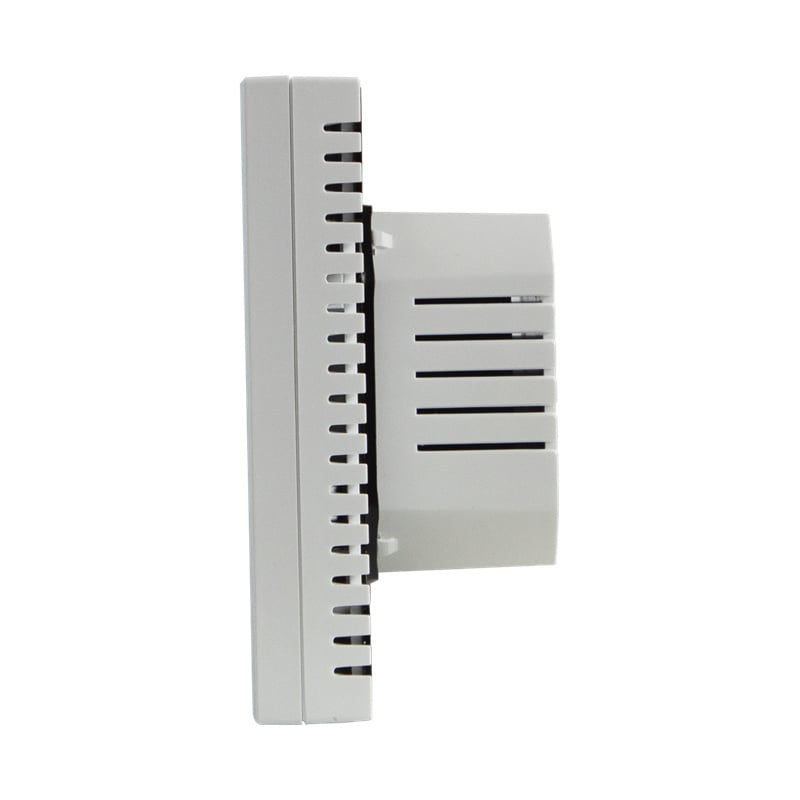
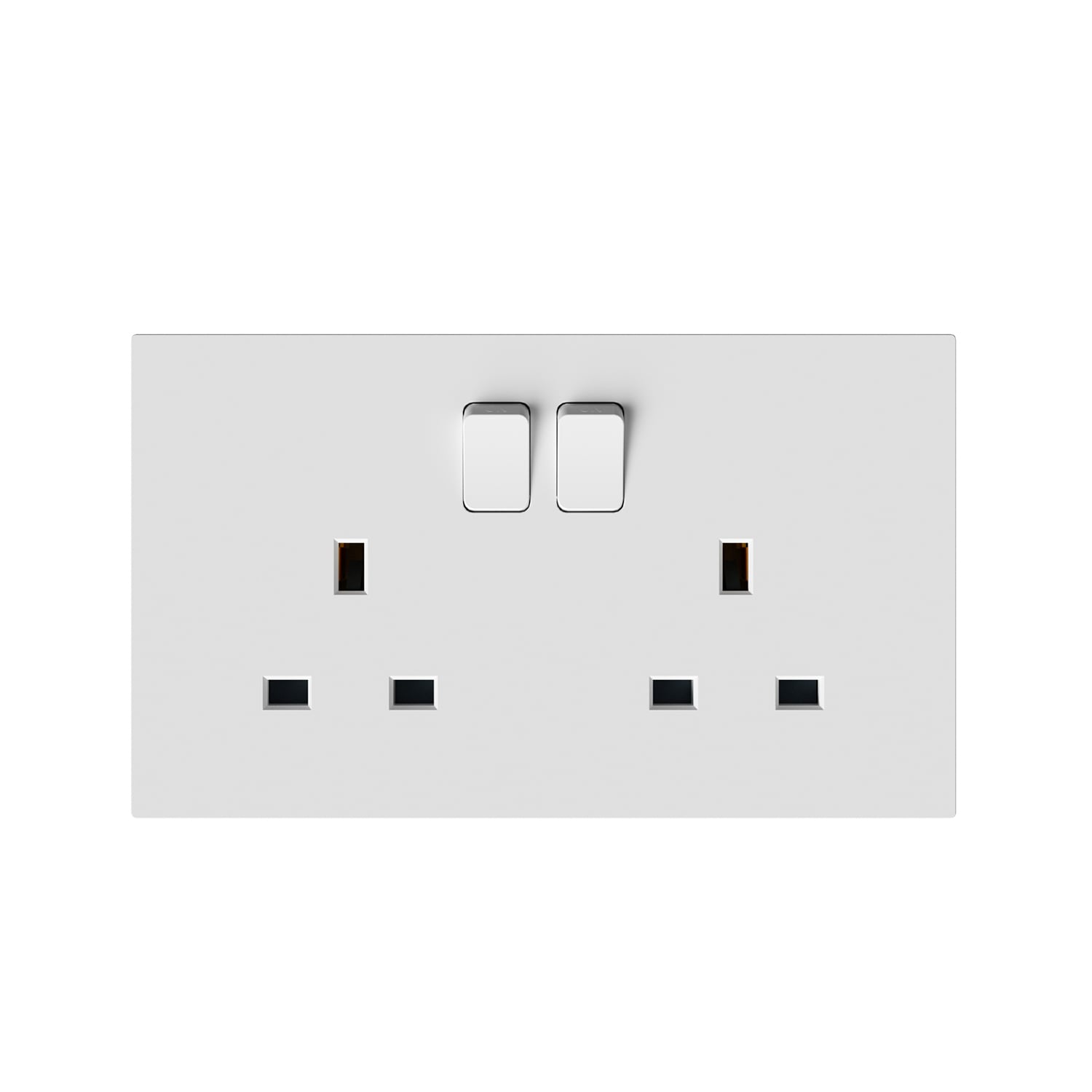
When considering electrical installations, outdoor wall sockets  play a crucial role in  providing power  to equipment and devices located  outside.  These  sockets  must  be durable, weather-resistant, and  capable  of handling environmental  stresses. For B2B  buyers such as purchasing  managers, engineers,  and  product managers, understanding  the specifications, applications,  and quality indicators of outdoor wall sockets is essential for making informed decisions. This article will guide you through selecting the  right outdoor wall socket for your project needs,  the best practices for installation and maintenance, the various applications across industries, the advantages of  high-quality materials, and the key features and benefits to consider.
Our Products

Best Practices

Best Practices

To  ensure optimal performance and longevity of outdoor wall sockets, adhering  to best practices during  installation and usage is vital. First, ensure that the installation site is prepared correctly, with proper grounding  and waterproofing measures in place. Conduct a thorough inspection of the area for potential hazards, such as standing water or extreme weather conditions.

During installation, follow the manufacturer's guidelines closely,  particularly concerning  cable connections  and mounting procedures. Use high-quality  connectors and sealing materials to prevent  moisture  ingress, which can lead  to electrical  failures or  hazards.

Regular maintenance  checks are also essential. Periodically inspect the sockets for signs of wear,  corrosion, or damage. Testing  the functionality of the socket  and ensuring  that protective features, such as circuit breakers, are operational can  prevent issues before they arise.
Applications of Outdoor Wall Sockets in Various Industries

Applications of Outdoor Wall Sockets in Various Industries

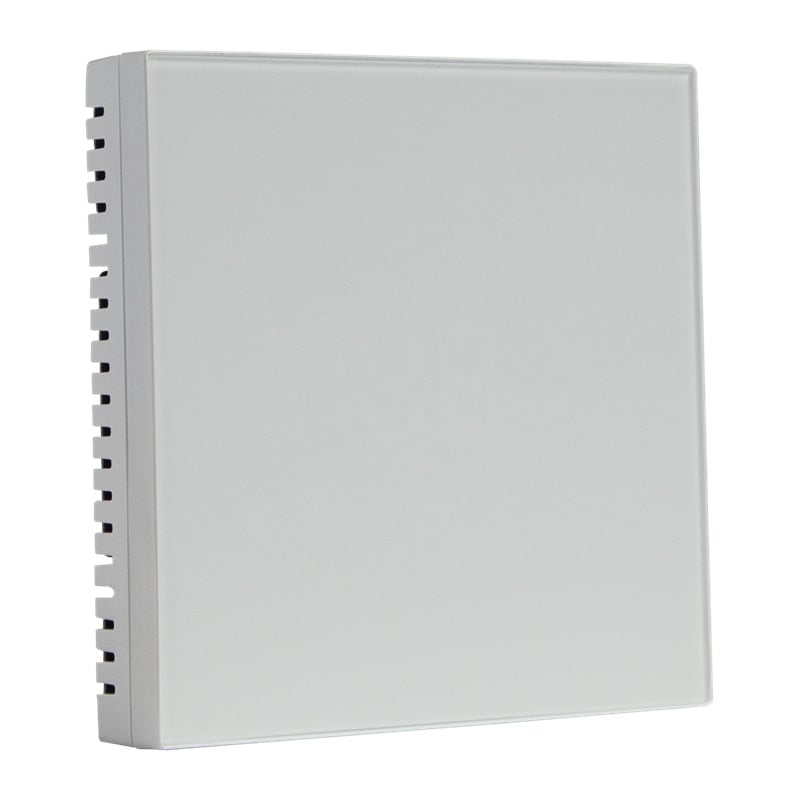
Outdoor wall sockets are versatile components used across numerous industries. In  the construction sector, they provide power to tools and equipment needed  for  outdoor projects, facilitating efficient operations.  In agriculture, outdoor sockets can supply power  to  irrigation systems, sensors, and  other equipment critical for farming activities.

The hospitality industry also utilizes outdoor wall sockets to power lighting, landscaping features, and outdoor heating systems, enhancing guest experiences.  Additionally, in commercial settings  like shopping centers  and parks, these  sockets support various functionalities, from charging stations  for electric vehicles  to powering  outdoor displays and kiosks. Solutions like the Smart HVAC can further enhance these environments.

Understanding the specific application  requirements is crucial  for selecting the right outdoor wall socket. For instance, sockets used  in coastal areas must have enhanced corrosion resistance due  to exposure to  saltwater, while those in colder climates should be rated  for low-temperature performance.

Advantages of High-Quality Materials in Outdoor Wall Sockets

Advantages of High-Quality Materials in Outdoor Wall Sockets

The materials used  in outdoor  wall sockets significantly influence their durability and  performance. High-quality materials,  such as polycarbonate or fiberglass,  offer superior  resistance to UV radiation, moisture, and temperature fluctuations.  This not only extends the lifespan of the sockets but also  reduces the need  for  frequent replacements, which  can be costly over time.

Moreover,  sockets made  from high-grade materials often feature better sealing and insulation properties, minimizing the risk  of short circuits and electrical  failures. When evaluating outdoor wall sockets, buyers should inquire about the material specifications and any  tests conducted to ensure compliance  with durability standards.

In addition, the choice of materials  can affect the socket's aesthetic appeal, an important consideration for commercial  settings where appearance matters. Customization options may also be available, allowing buyers to select finishes that blend seamlessly with the surrounding  environment.

Features and Benefits Explained

When  choosing outdoor wall sockets, understanding the key features and  benefits can guide buyers toward making the best selection for their needs.  Essential  features to look for include:

Weatherproof Design: Ensure the socket is  designed to withstand  harsh weather conditions, including rain,  snow, and extreme temperatures. Features  like rubber gaskets and sealed covers enhance weather resistance.

Safety  Mechanisms:  Look for sockets equipped with safety features like shrouded  contacts and circuit breakers. These enhance  user safety by preventing accidental shocks and overloads.

Ease of Installation: Some outdoor wall sockets come with user-friendly designs  that simplify  installation. Features such as easy-access terminal blocks can  facilitate quicker setups.

Versatile  Connectivity:  Sockets that accommodate multiple plug types can enhance usability across different devices and applications. This versatility is  especially beneficial in commercial settings.

Energy Efficiency: Consider sockets with integrated energy-saving features, such as timers or smart technology capabilities, which can help reduce  energy costs and improve operational efficiency.

When evaluating options, buyers should request detailed specifications and, if possible, samples to assess the performance and suitability of the outdoor wall sockets for their specific applications.

Outdoor wall sockets are crucial components in various industries, and selecting the right one involves careful consideration of specifications, materials, and intended applications. By following best practices and understanding the key features and benefits, buyers can ensure they make informed purchasing decisions that align with  their project needs.

How to Choose the Right Outdoor Wall Socket for Your Project Needs

Selecting the right outdoor wall socket begins with understanding the specific requirements of  your project. Key factors to consider include the voltage rating, amperage, and environmental conditions. Outdoor  wall sockets should  typically  be rated for higher  voltages and current loads than their indoor counterparts to accommodate outdoor equipment.

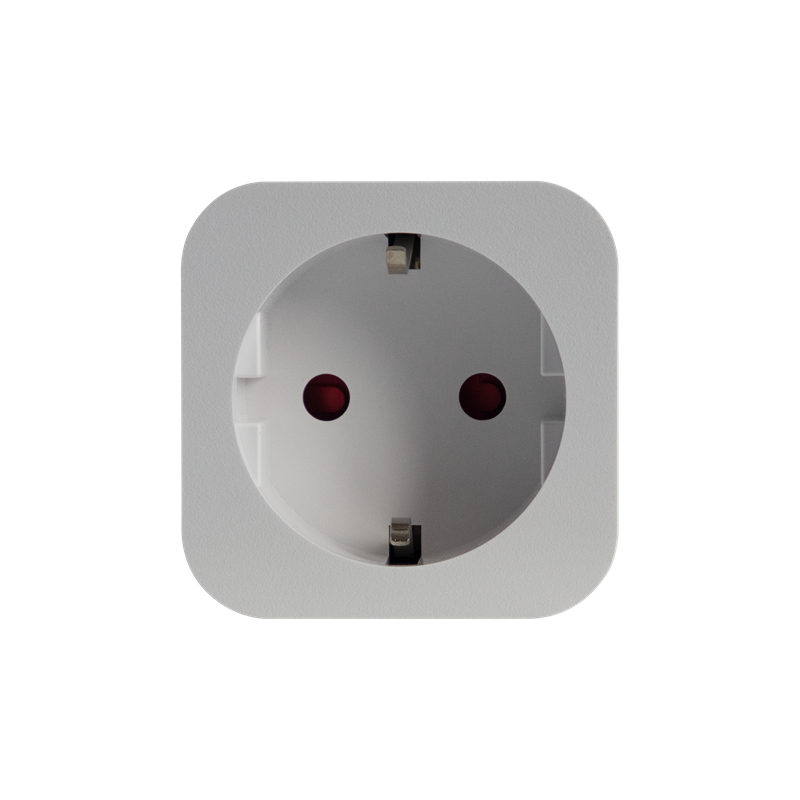
Buyers should  also consider the  IP (Ingress Protection) rating, which indicates the socket’s resistance to dust  and water. For most outdoor applications, a minimum IP65 rating is advisable, ensuring protection against dust and low-pressure water jets. Additionally, buyers  should evaluate the socket's material  composition; UV-resistant materials are essential for prolonged exposure to sunlight. There are various options available, including the Smart Plug, which can enhance outdoor functionality.

Customization  capabilities can also  impact the selection process. Depending on  your  project’s needs, you  may require specific configurations or features, such  as  surge protection or integrated timers. When  requesting quotations, be clear about the specifications, intended application, and any customization  requirements  to facilitate accurate responses from suppliers.

Get a Free Quote

Our representative will contact you soon.
Email
Name
Mobile
Company Name
Message
0/1000

Related product categories

WhatsApp: +86-13626773071
Live Chat

Get a Free Quote

Our representative will contact you soon.
Email
Name
Mobile
Company Name
Message
0/1000