EN
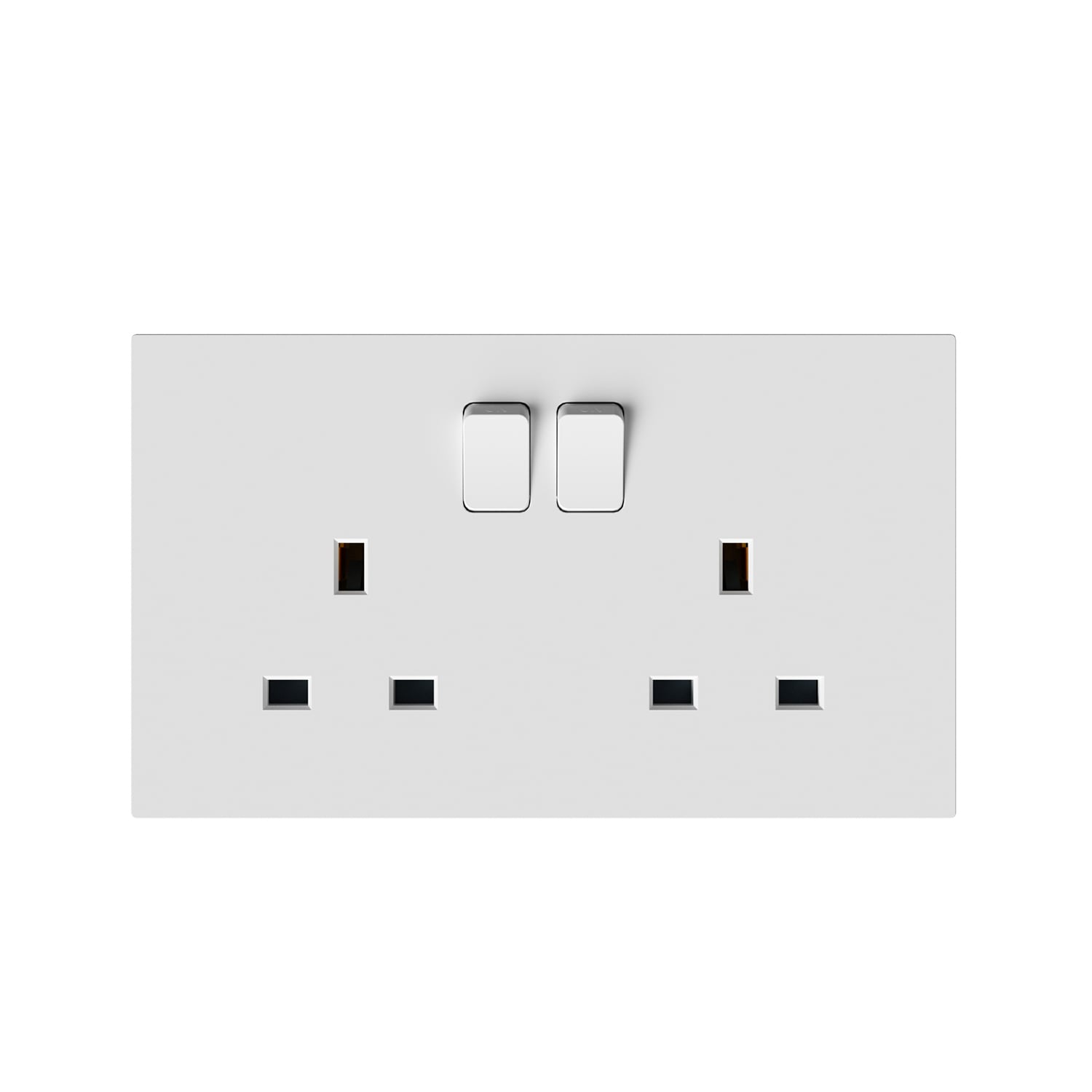
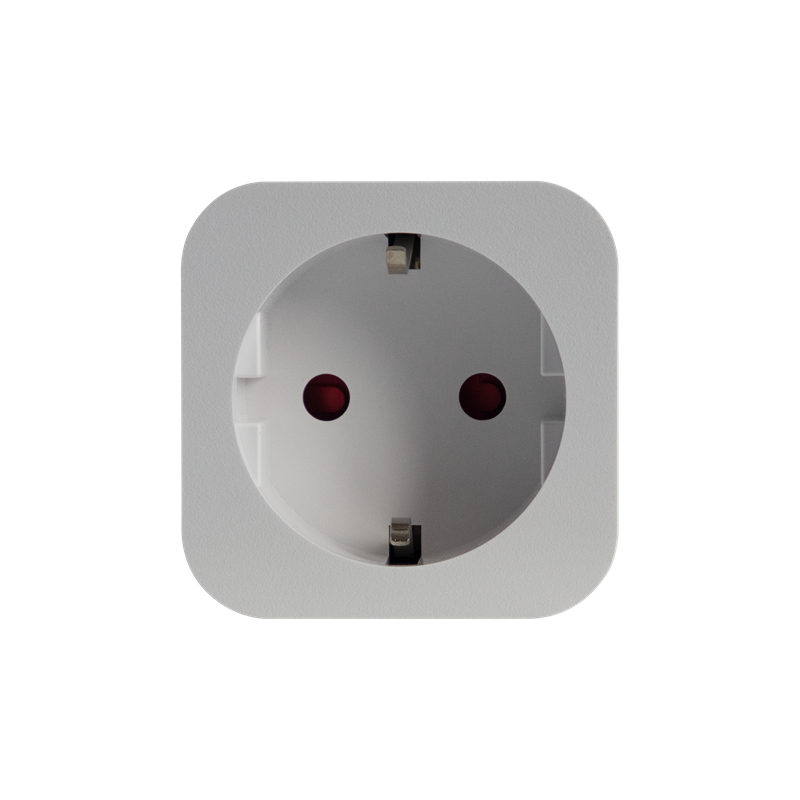
When considering electrical installations, outdoor wall sockets play a crucial role in providing power to equipment and devices located outside. These sockets must be durable, weather-resistant, and capable of handling environmental stresses. For B2B buyers such as purchasing managers, engineers, and product managers, understanding the specifications, applications, and quality indicators of outdoor wall sockets is essential for making informed decisions. This article will guide you through selecting the right outdoor wall socket for your project needs, the best practices for installation and maintenance, the various applications across industries, the advantages of high-quality materials, and the key features and benefits to consider.
Best Practices
To ensure optimal performance and longevity of outdoor wall sockets, adhering to best practices during installation and usage is vital. First, ensure that the installation site is prepared correctly, with proper grounding and waterproofing measures in place. Conduct a thorough inspection of the area for potential hazards, such as standing water or extreme weather conditions.
During installation, follow the manufacturer's guidelines closely, particularly concerning cable connections and mounting procedures. Use high-quality connectors and sealing materials to prevent moisture ingress, which can lead to electrical failures or hazards.
Regular maintenance checks are also essential. Periodically inspect the sockets for signs of wear, corrosion, or damage. Testing the functionality of the socket and ensuring that protective features, such as circuit breakers, are operational can prevent issues before they arise.