EN
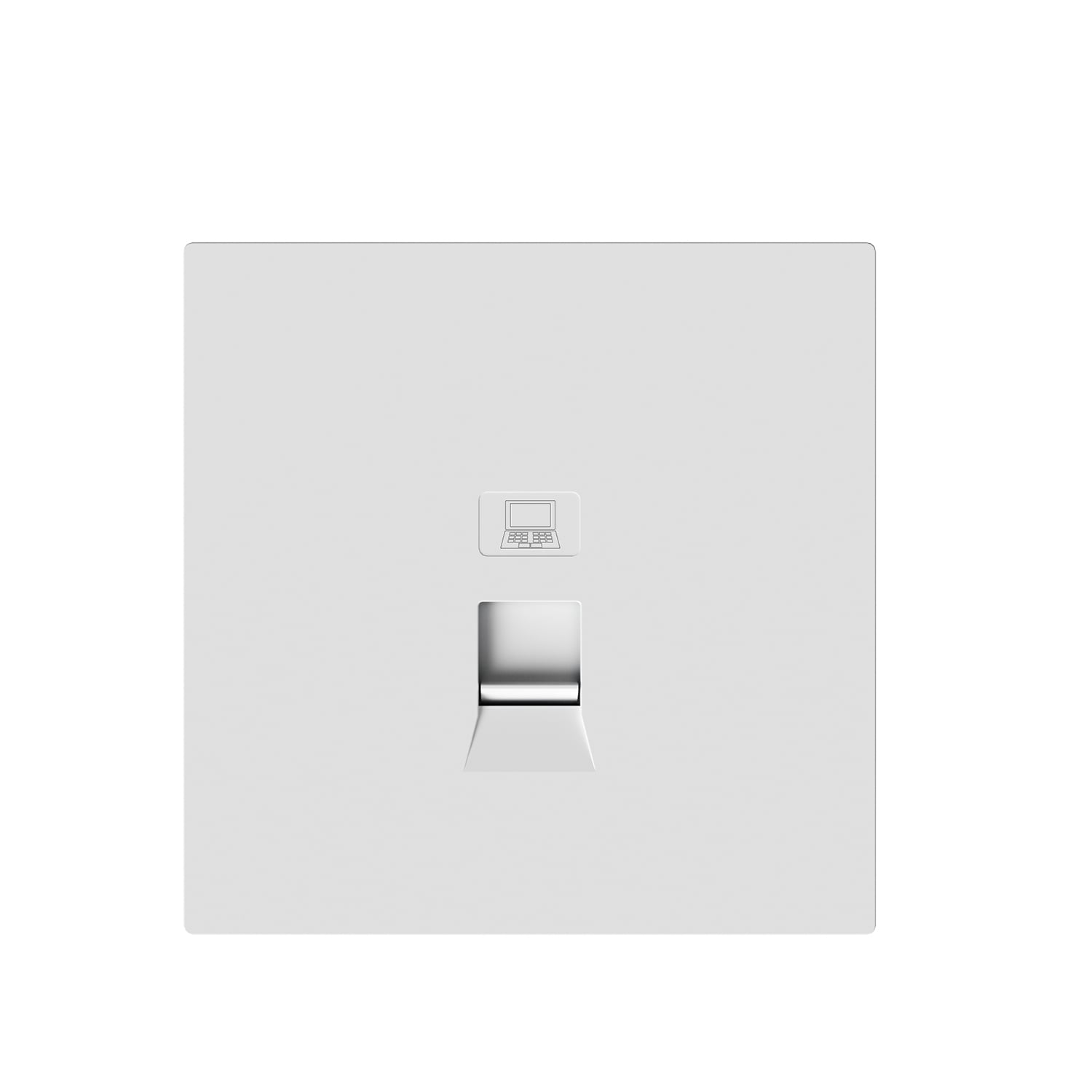
Choosing the right wall socket with HDMI can significantly enhance your project, particularly in commercial and industrial settings where connectivity is paramount. These sockets integrate HDMI connectivity into wall-mounted units, providing streamlined solutions for audiovisual setups. For B2B buyers, key concerns include compatibility, ease of installation, quality assurance, and overall value for bulk orders. This article will guide you through essential considerations to help you make informed purchasing decisions regarding HDMI wall sockets.


Specifications to Consider When Sourcing HDMI Wall Sockets
Several key specifications should be evaluated when sourcing HDMI wall sockets:
HDMI Version: Ensure that the socket supports the HDMI version required for your application. For instance, HDMI 2.0 supports 4K video at 60Hz, while HDMI 2.1 is necessary for higher bandwidth demands, including 8K video.
Material Quality: The materials used in the wall socket can affect its durability and performance. Look for sockets made from high-impact plastics or metal housings that can withstand wear and tear, especially in high-traffic areas.
Electrical Ratings: Confirm that the wall socket meets the electrical requirements of your devices. This includes voltage ratings and the maximum current load the socket can handle.
Mounting Compatibility: Ensure compatibility with standard electrical boxes. This can help simplify installation and reduce additional costs associated with custom fittings.
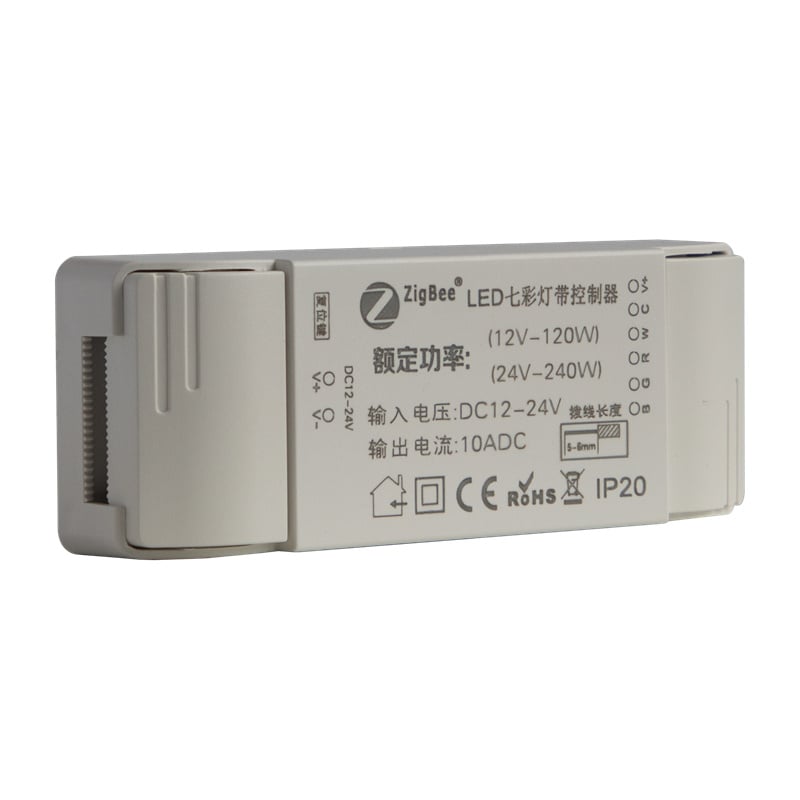
Certification and Standards: Check for compliance with relevant standards, such as CE or RoHS certifications, which indicate adherence to safety and environmental regulations.