Choosing the Right Wall Socket with HDMI

All Categories

wall socket with hdmi

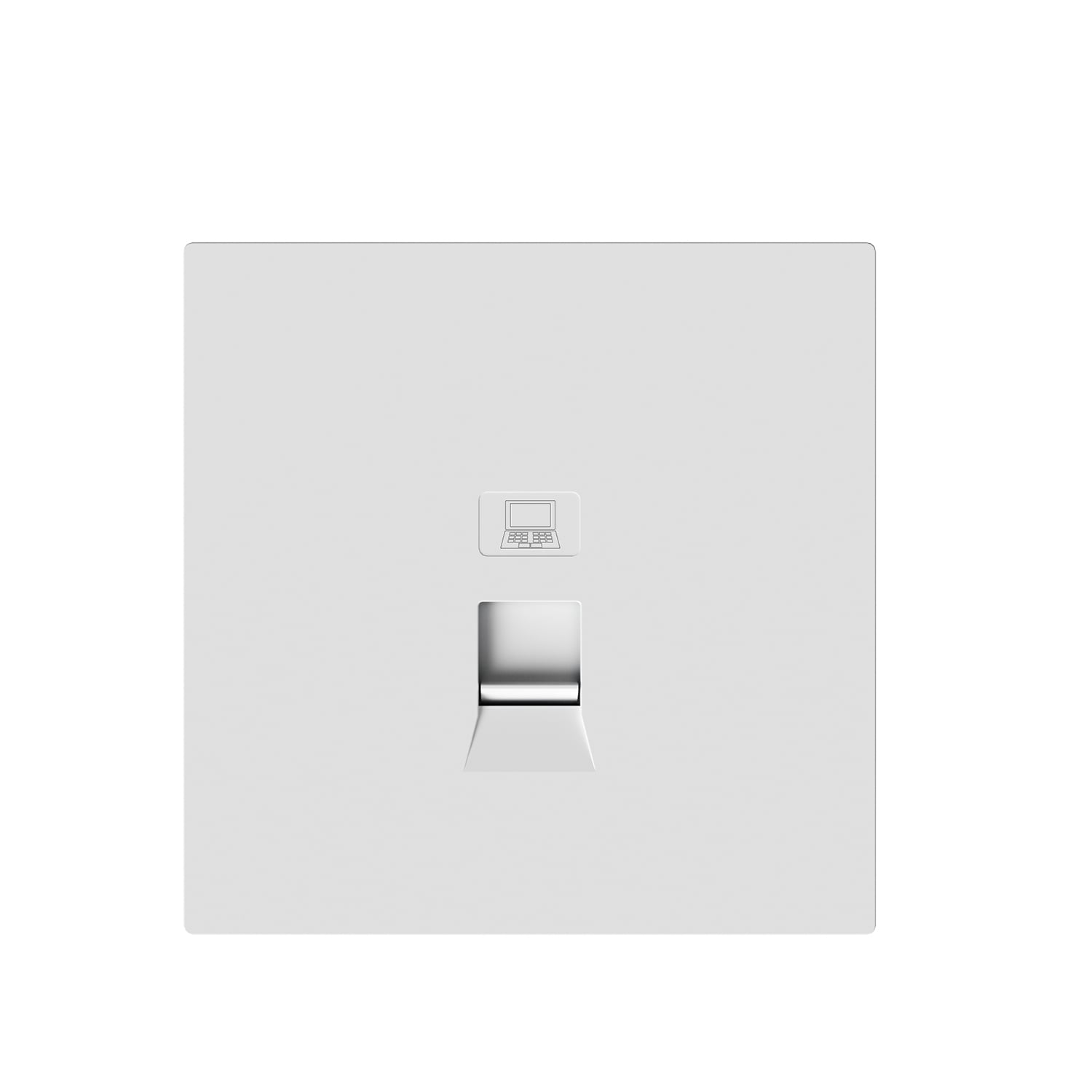
Choosing the  right wall socket with HDMI can significantly enhance  your  project, particularly  in commercial  and industrial settings  where connectivity is paramount. These  sockets integrate  HDMI connectivity  into wall-mounted units, providing streamlined solutions  for  audiovisual setups. For B2B buyers,  key  concerns  include compatibility, ease of installation, quality assurance, and overall  value for  bulk orders. This article will  guide  you through essential considerations to help you make  informed purchasing decisions  regarding HDMI wall sockets.

Our Products

Specifications to Consider When Sourcing HDMI Wall Sockets

Specifications to Consider When Sourcing HDMI Wall Sockets

Several key specifications should be evaluated when  sourcing HDMI wall sockets:

HDMI Version: Ensure  that the  socket supports the  HDMI version required for your application.  For instance, HDMI 2.0 supports 4K video at 60Hz, while HDMI 2.1 is necessary for higher bandwidth demands, including 8K video.

Material  Quality: The  materials used in the wall  socket  can affect its durability  and performance. Look  for sockets made from high-impact plastics or metal housings that can withstand wear and  tear, especially  in high-traffic areas.

Electrical  Ratings: Confirm that the  wall socket meets the electrical requirements of your devices. This includes voltage ratings and the maximum current load the socket can handle.

Mounting Compatibility: Ensure compatibility with standard electrical boxes. This can help simplify installation and reduce additional costs  associated with custom  fittings.

Certification and Standards: Check for compliance with relevant standards, such as  CE or RoHS certifications,  which indicate adherence to safety and environmental regulations.
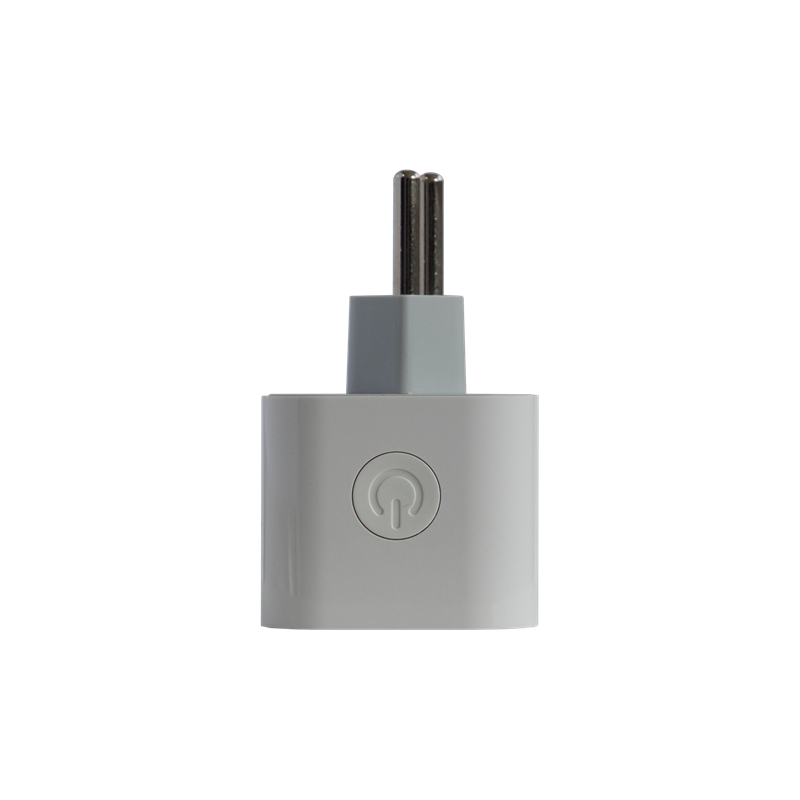
How to Evaluate the Quality of HDMI Wall Sockets for Bulk Orders

How to Evaluate the Quality of HDMI Wall Sockets for Bulk Orders

Evaluating quality  when sourcing HDMI wall sockets  in  bulk requires  a systematic approach. Start by requesting samples from potential  suppliers.  Inspect these samples for build quality,  ensuring  that connectors fit securely and all ports function correctly.  Pay attention to any manufacturing  flaws, such as  uneven finishes or loose components.

Next,  consider the supplier’s  quality control processes. A reputable manufacturer,  like Zhejiang TAOS Electric Co., Ltd.,  should have stringent quality assurance measures in place during production. Inquire about  their testing procedures for durability, electrical performance,  and compliance with  international standards.

Additionally, review customer feedback  and testimonials to gauge the performance of the  wall sockets in real-world applications. This information can provide insights into long-term reliability and customer satisfaction.

Common Issues with HDMI Wall Sockets and Their Solutions

Common Issues with HDMI Wall Sockets and Their Solutions

While HDMI wall sockets  are generally reliable, there are common issues that buyers should be aware of:

Poor Connection Quality: This can result from loosely fitted connectors or  inferior materials. To mitigate  this, ensure that you are sourcing from a trustworthy manufacturer  that provides detailed specifications about their connector quality.


Compatibility Issues: Ensure that  the wall socket is  compatible  with the devices it will connect to.  If a specific HDMI version is required, confirm that the wall  socket supports it before purchasing.

Installation Challenges: Some wall  sockets may have complex installation requirements. Providing your  installation team with clear specifications and installation guides can help  avoid issues during setup.

Overheating: In some cases,  wall sockets may overheat due to excessive current. Confirm the current rating of  the socket to ensure  it matches the intended application.

Signal  Loss: HDMI cables over long distances can experience signal degradation. For longer runs, consider using active  HDMI extenders or wall  sockets  designed for longer cable lengths.

Features and Benefits for Buyers

Investing in  a quality wall socket with HDMI  can offer numerous advantages for buyers:

Enhanced Connectivity: Integrating HDMI ports into wall sockets  allows  for cleaner, more organized wiring, especially in commercial environments where  aesthetics and functionality are  paramount.

Versatility: HDMI wall sockets can support a range of devices, from projectors to  televisions, making  them suitable for various applications, including offices, classrooms, and entertainment venues. For a truly integrated experience, consider utilizing a Smart Gateway.

Ease of Installation: Many HDMI wall sockets are  designed for straightforward installation, reducing labor costs and time on site. Standardized mounting options can simplify retrofitting into existing infrastructure.

Long-Term  Reliability: By sourcing from a reputable manufacturer like Zhejiang TAOS  Electric Co., Ltd., buyers can expect durable products that meet international quality  standards, ultimately reducing the need for frequent replacements.

Customization  Options: Many manufacturers offer customization of wall sockets, allowing  buyers to specify features such as color, labeling, or additional ports according to their project needs.

By understanding these  factors and carefully assessing your options, you can  confidently select  the  right wall socket with HDMI for  your projects, ensuring a seamless integration into  your electrical systems.

Choosing the Right Wall Socket with HDMI for Your Projects

When  selecting a wall socket with HDMI, it’s crucial  to consider the specific requirements of your project. Factors such as the intended application, installation environment, and compatibility with existing systems should guide  your choices. For example, if  you are outfitting a conference room,  a wall socket that  supports 4K resolution may  be necessary to  ensure high-quality video transmission. Additionally, incorporating a Smart Control Panel can help manage multiple devices seamlessly.


In  addition, consider the design and layout of the  installation site. A  flush-mounted wall socket may be ideal for a sleek finish, while surface-mounted  options might be better  for retrofitting into existing structures. Evaluate the  number of  HDMI ports required; some models  offer multiple HDMI connections, which can  be essential for setups involving various  devices. For a more comprehensive smart home experience, consider integrating devices like a Smart HVAC system.


Get a Free Quote

Our representative will contact you soon.
Email
Name
Mobile
Company Name
Message
0/1000

Related product categories

WhatsApp: +86-13626773071
Live Chat

Get a Free Quote

Our representative will contact you soon.
Email
Name
Mobile
Company Name
Message
0/1000