EN
Electrical joint boxes are essential components in electrical installations, providing safe and reliable connections for wiring. They serve as junction points for electrical circuits, allowing for the distribution of power while ensuring the safety of the installation. For B2B buyers, such as purchasing managers or engineers, evaluating the quality and specifications of electrical joint boxes is crucial to ensure they meet safety standards and application requirements. This article will guide you through how to evaluate electrical joint box quality, key specifications to consider, sourcing options, common installation issues, and the benefits of premium materials in manufacturing these products.


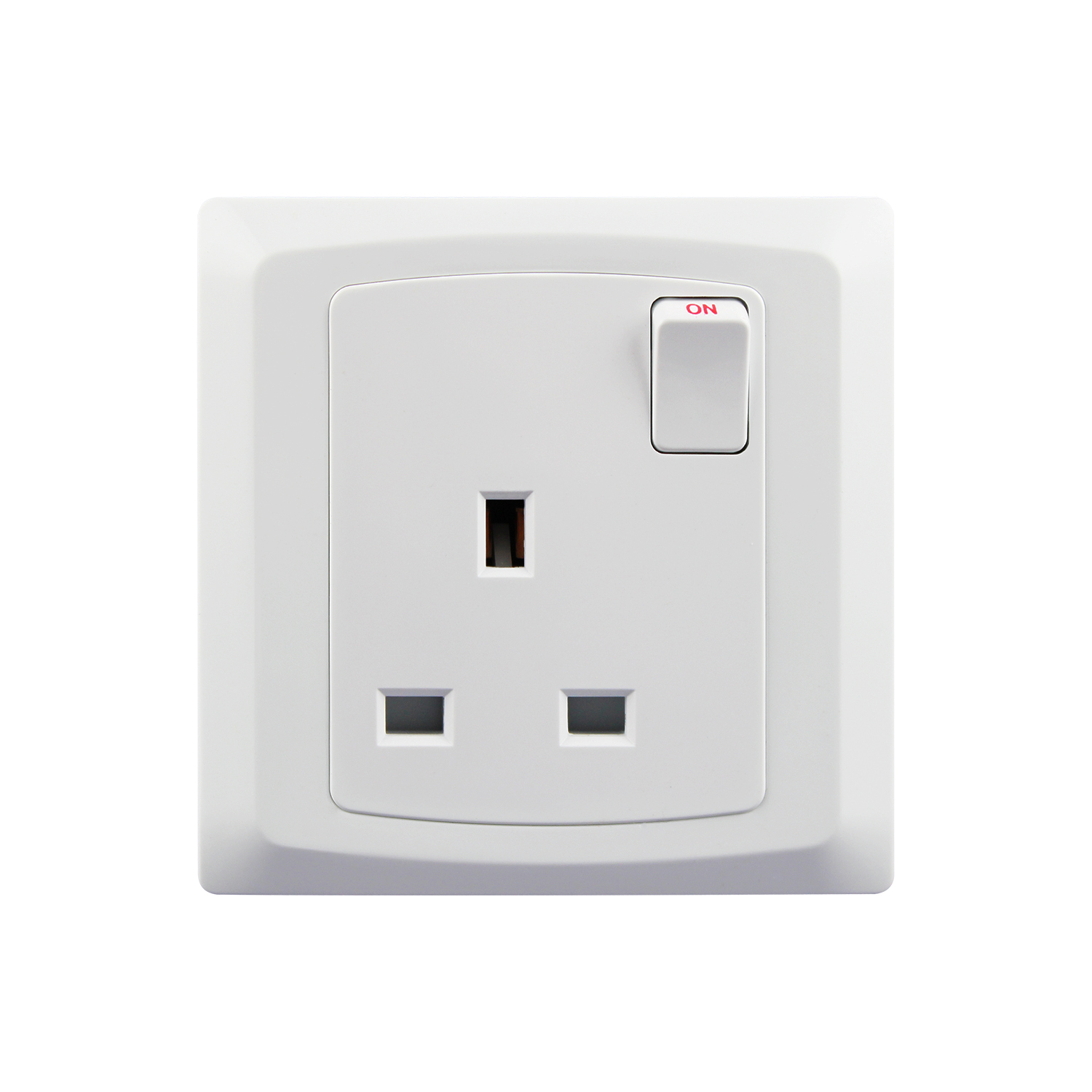
Key Specifications of Electrical Joint Boxes for Wholesale Buyers
Understanding key specifications is critical for buyers selecting electrical joint boxes. Key characteristics include dimensions, ingress protection (IP) ratings, and load-bearing capacity.
Dimensions: Ensure the joint boxes fit within the intended installation space. Incorrect dimensions can lead to installation challenges or inadequate housing for the wiring.
Ingress Protection (IP) Rating: This rating indicates the level of protection against dust and moisture. For outdoor applications, look for higher IP ratings to ensure the joint box can withstand environmental conditions.
Load-Bearing Capacity: Depending on the application, buyers should confirm that the joint box can handle the intended electrical load without risk of overheating or failure.
Material Specifications: Common materials include PVC, polycarbonate, or metal, each offering different benefits in terms of strength, durability, and resistance to environmental factors.
Sealing and Closure Mechanisms: Investigate how the joint box is sealed and whether it includes features to prevent unauthorized access, which is crucial for safety in commercial settings.
Confirming these specifications based on the intended application will help ensure you choose the right product for your needs.