EN
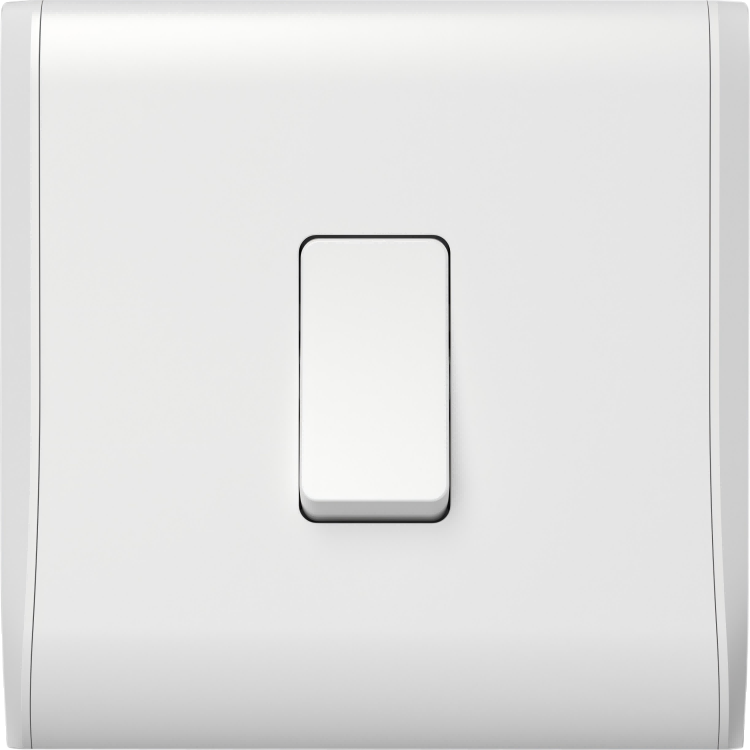
WiFi light switches are innovative devices that allow users to control lighting remotely via smartphones or voice-activated assistants. As commercial spaces increasingly adopt smart technology, purchasing managers must consider various factors, including specifications, quality, installation, and cost. This article will guide you through understanding WiFi light switch features, evaluating product quality, sourcing reliable suppliers, installation guidelines, and key cost factors to help you make informed purchasing decisions.


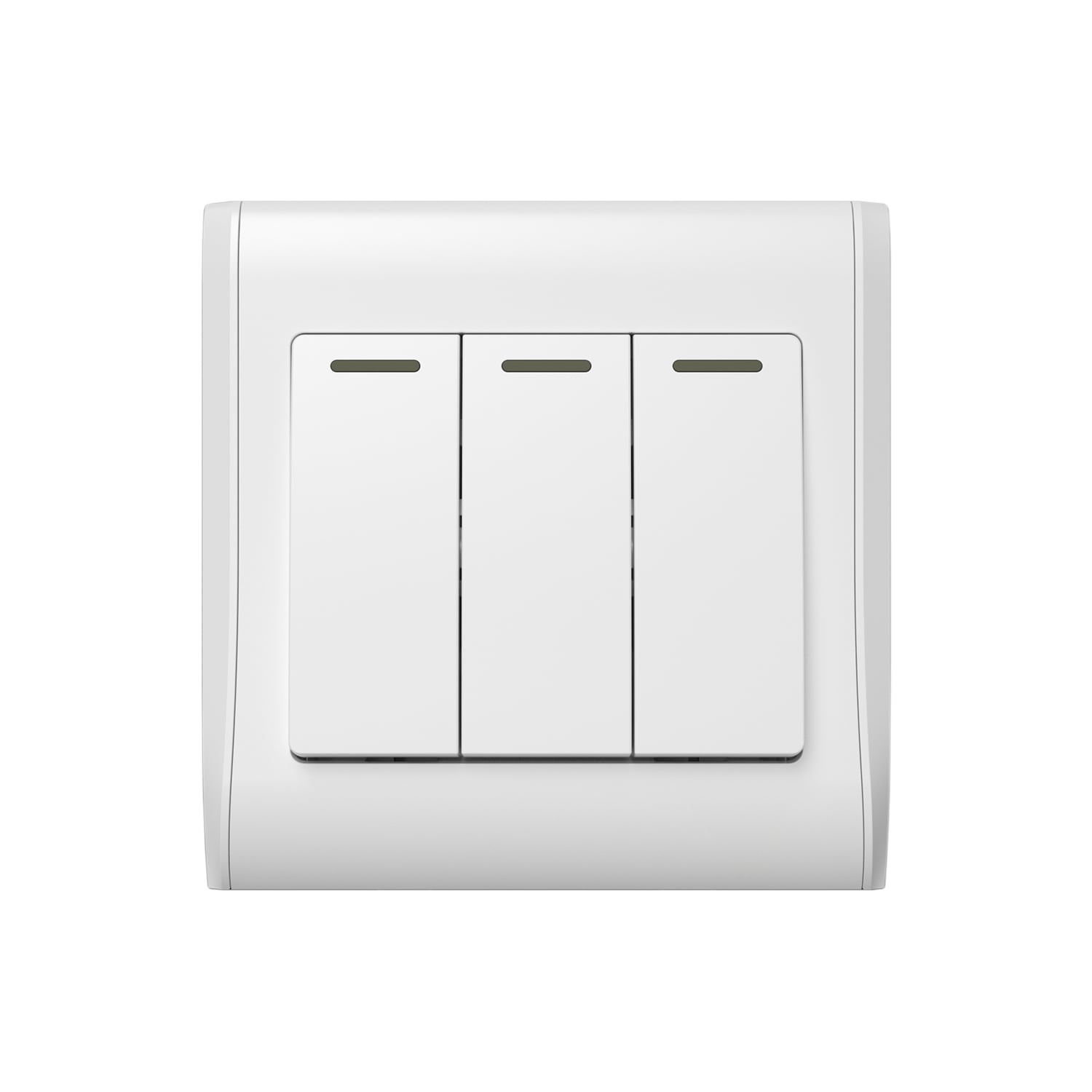
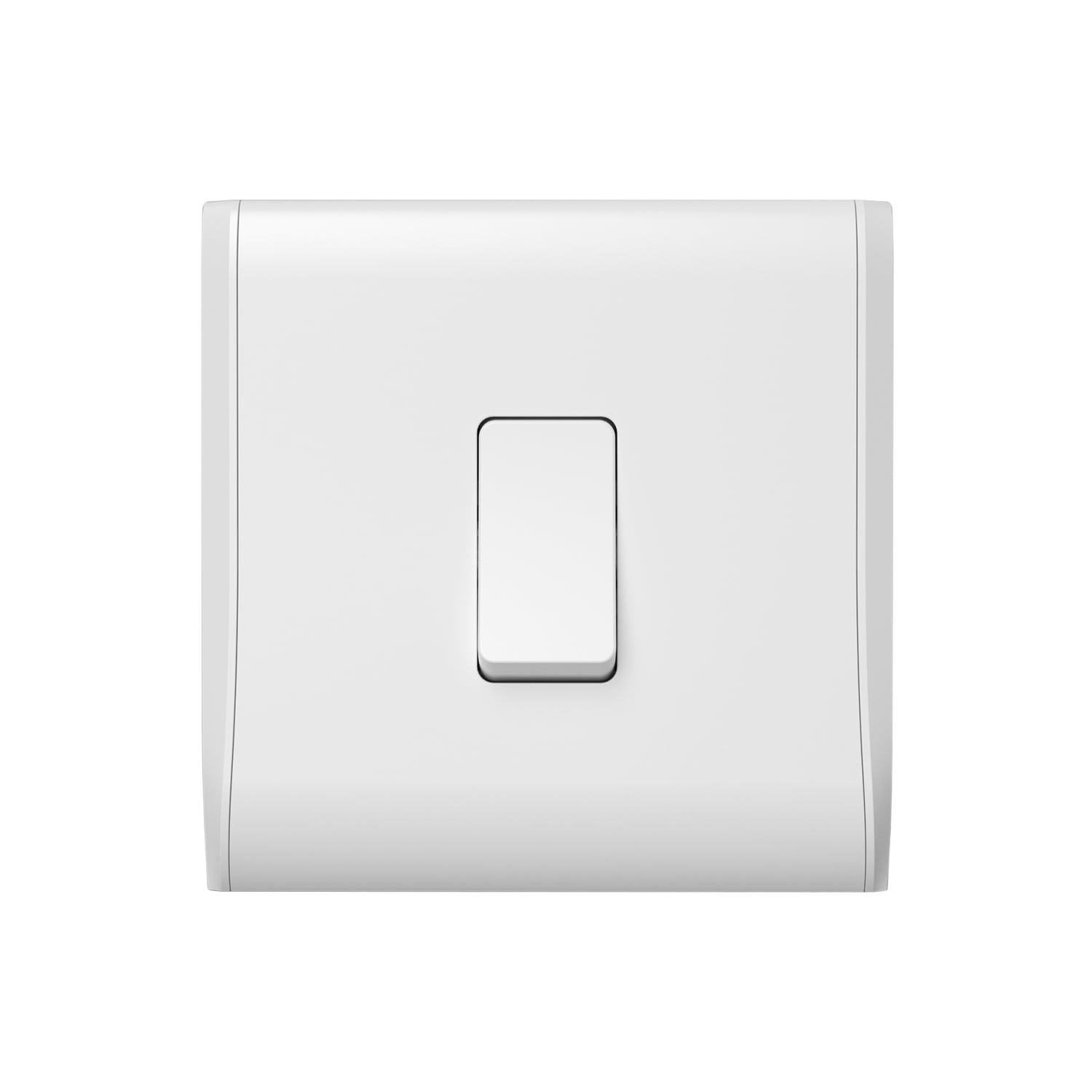
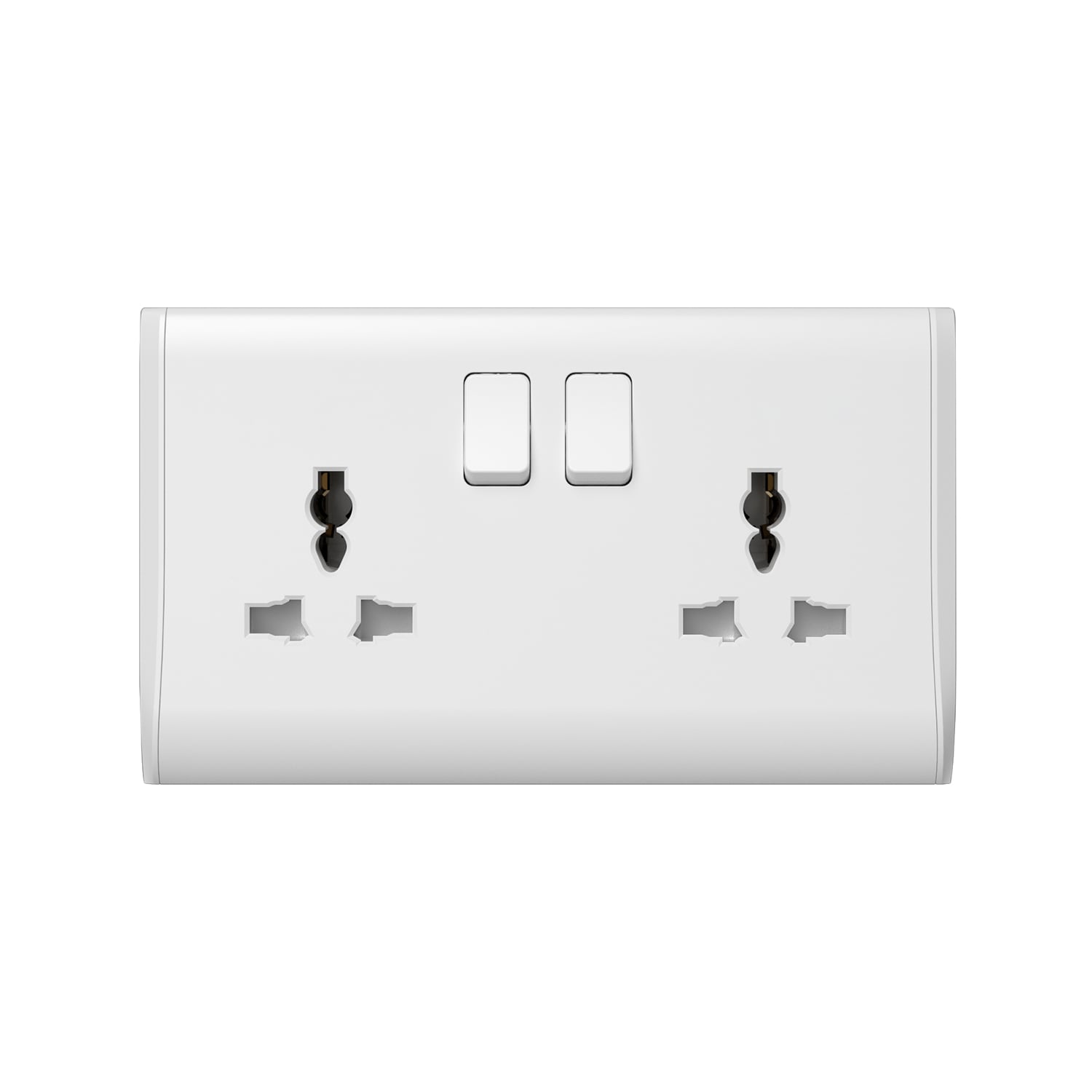
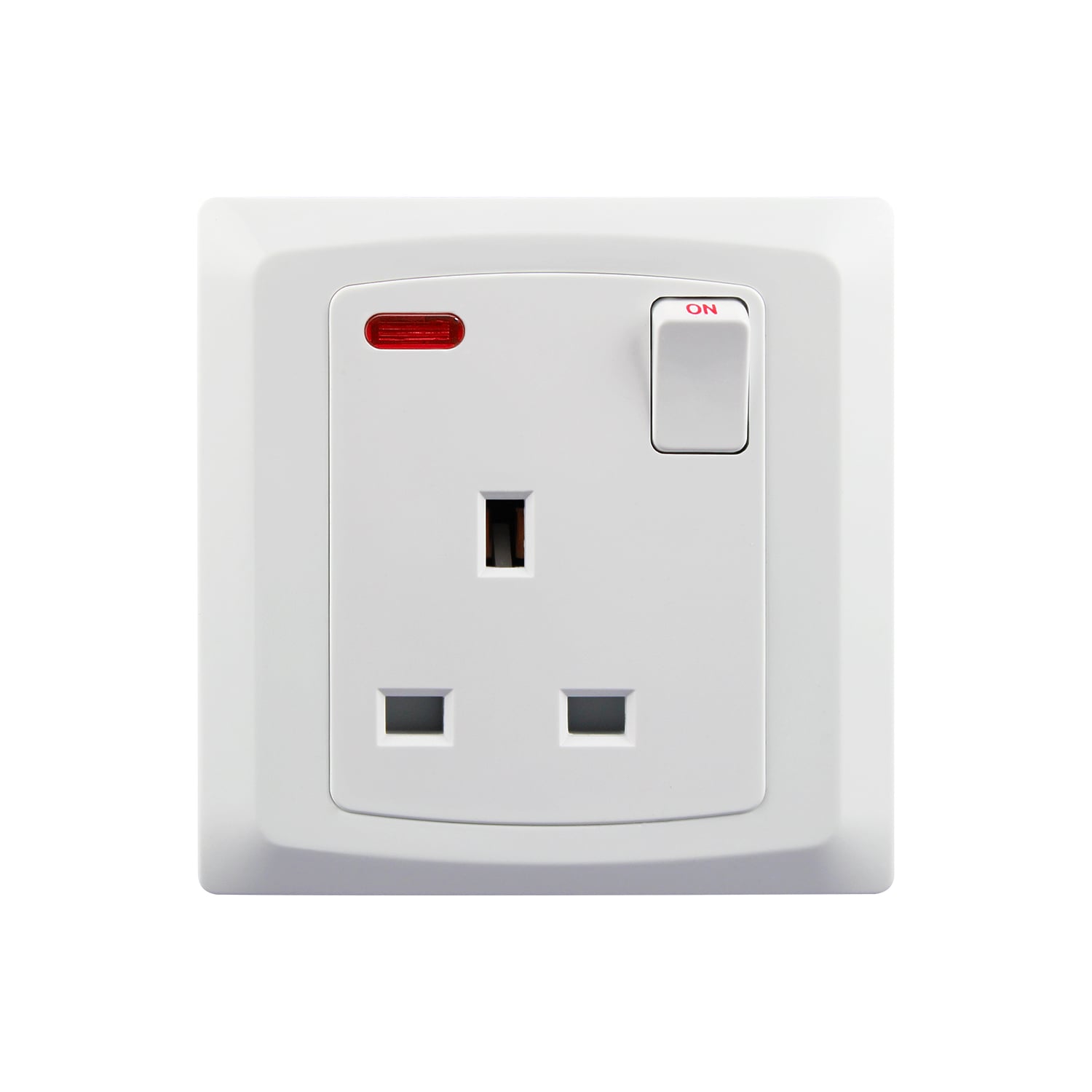
Evaluating the Quality of WiFi Light Switch Products
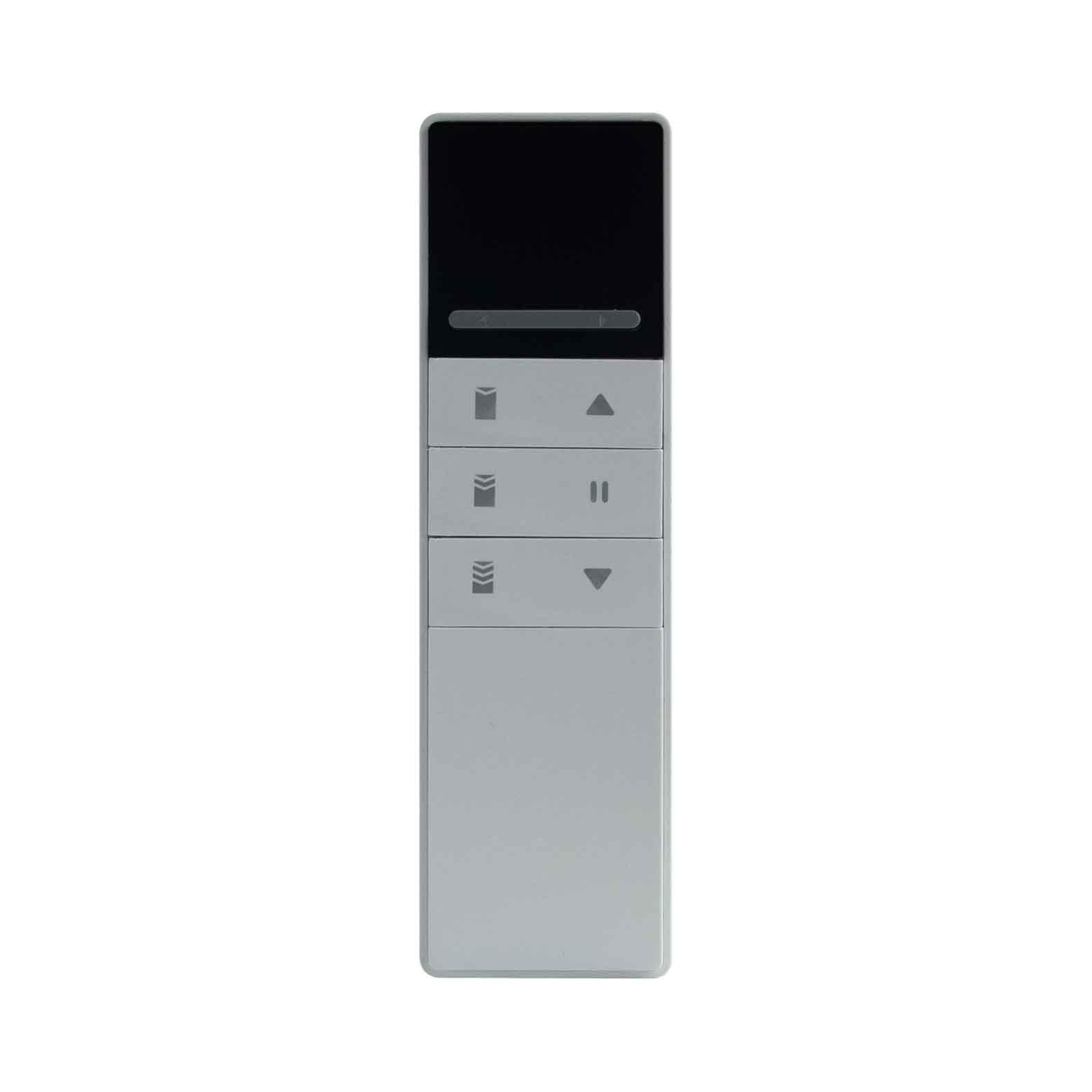
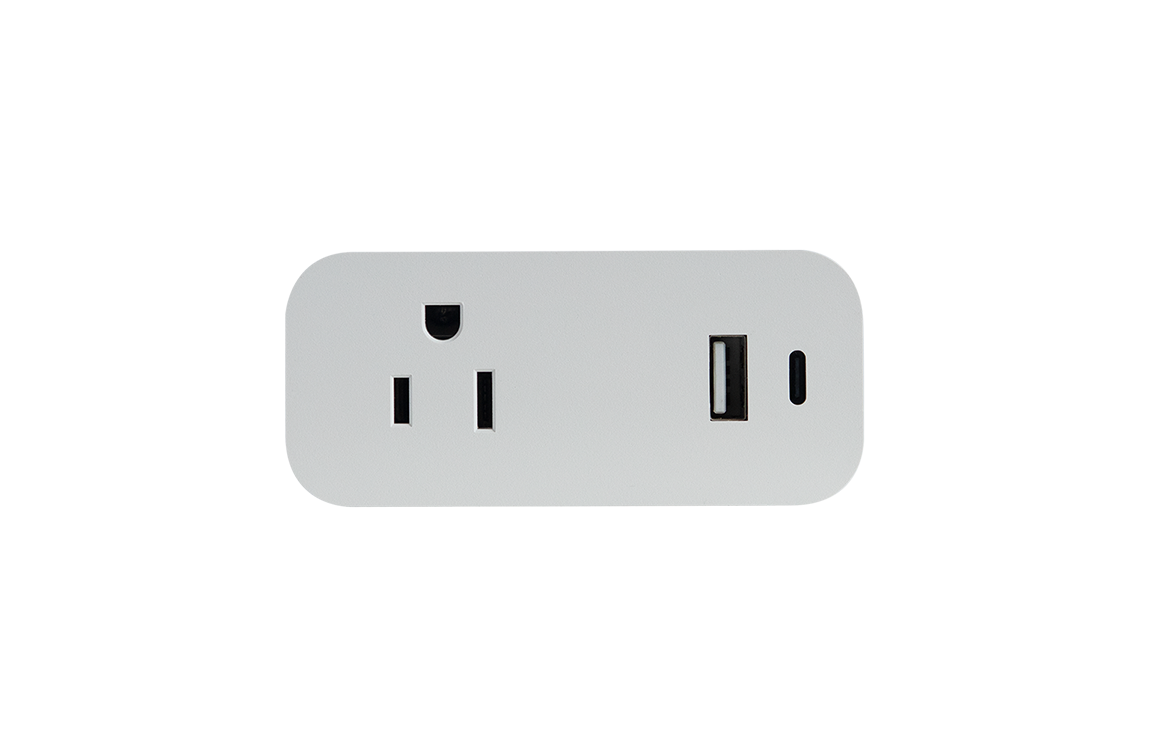
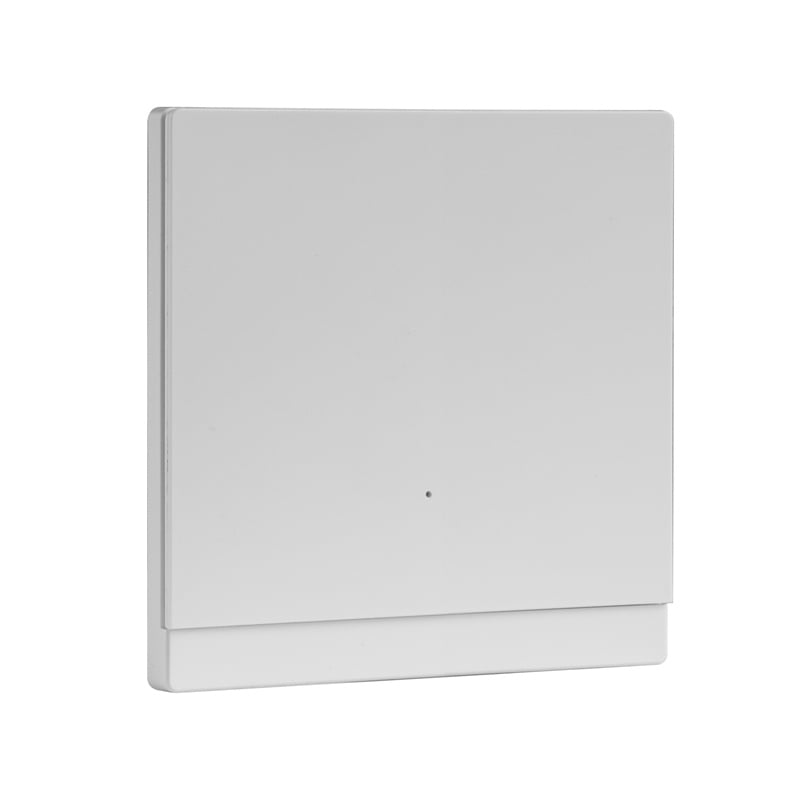
Quality evaluation of WiFi light switches involves assessing various factors, including materials, certifications, and manufacturing processes. Here are some key points to consider:
Material Selection: High-quality switches typically feature durable plastics or metals that withstand wear and environmental factors. In commercial settings, switches must endure higher usage rates, making robust material choice critical. Additionally, consider smart lighting solutions like Downlight Spotlight.
Certifications: Look for products that comply with international safety standards, such as CE or UL certifications. These certifications ensure that the switches have undergone rigorous testing for safety and performance.
Quality Control: Inquire about the manufacturer's quality control processes. A reputable supplier should have a structured inspection protocol in place, including tests for electrical safety, connectivity, and overall functionality.
By focusing on these quality indicators, you can avoid common pitfalls, such as purchasing devices that fail prematurely or do not perform as expected.