EN
When considering the integration of technology into commercial or industrial spaces, the HDMI wall socket is a crucial component for providing seamless audiovisual connectivity. These sockets ensure that devices such as projectors, TVs, and computers can easily connect to display systems without the clutter of loose cables. For B2B buyers, key concerns include supplier reliability, product quality, installation challenges, and cost factors. This article will address these concerns by offering insights into choosing suppliers, evaluating quality standards, resolving installation issues, and understanding the cost implications associated with HDMI wall sockets.

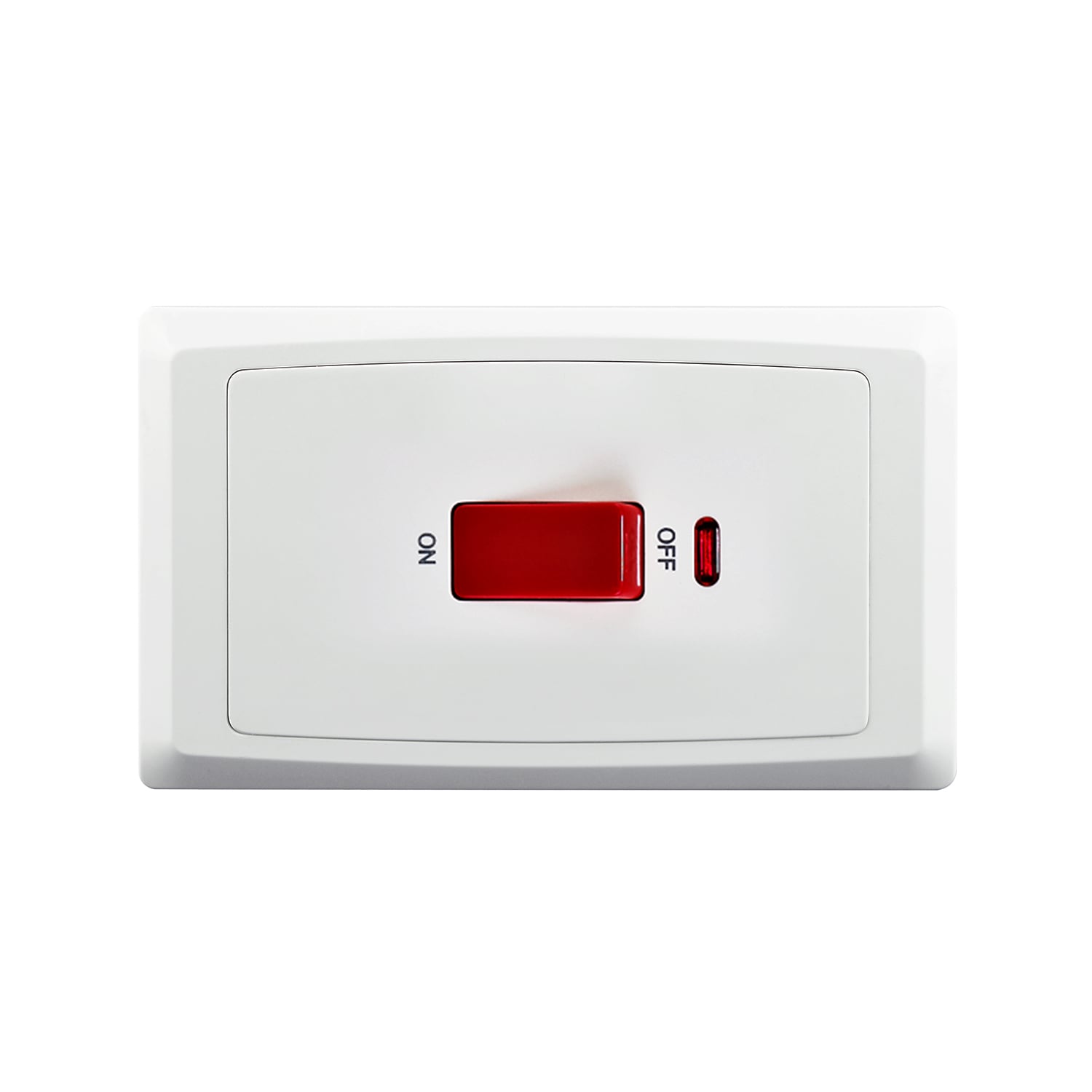
Evaluating Quality Standards for HDMI Wall Sockets in Projects
Quality is paramount when integrating HDMI wall sockets into any project. Start by examining the materials used in construction. High-quality sockets typically feature robust housing made from durable plastics or metals that resist wear and tear. The internal components, such as connectors and circuit boards, should meet international standards to ensure reliable performance over time.
Next, familiarize yourself with relevant industry certifications. Look for products that comply with British Standards, as these often indicate a higher level of quality assurance. Additionally, check for testing results that confirm the socket's compatibility with various devices and its performance under different conditions, including temperature and humidity ranges. Implementing a thorough quality inspection process is also essential. This may involve visual inspections, functionality tests, and ensuring that products have the necessary documentation for traceability and compliance. By prioritizing these quality standards, you can mitigate potential issues and enhance the overall reliability of your installations.