Choosing High-Quality Exterior Outlet Covers

All Categories

exterior outlet covers

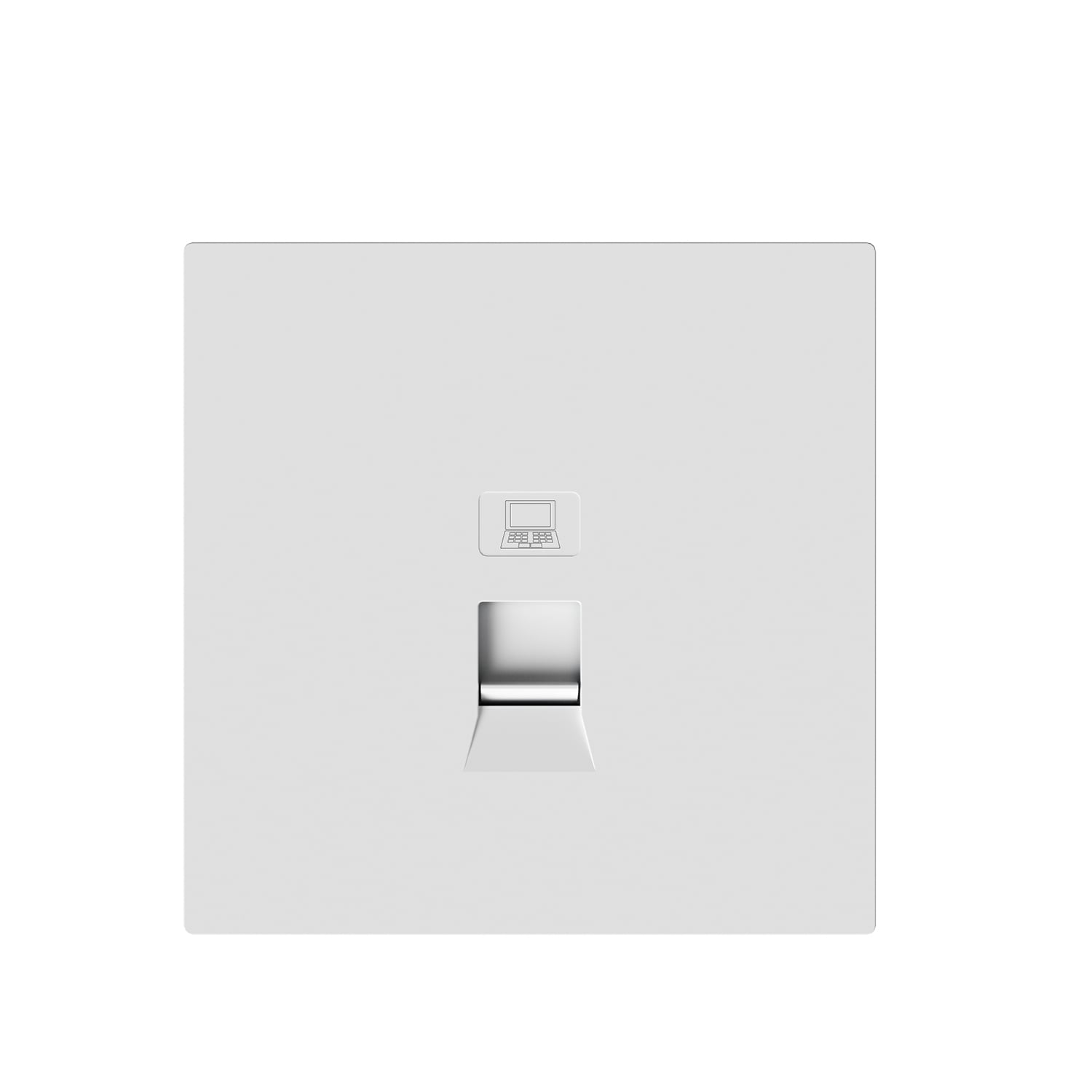
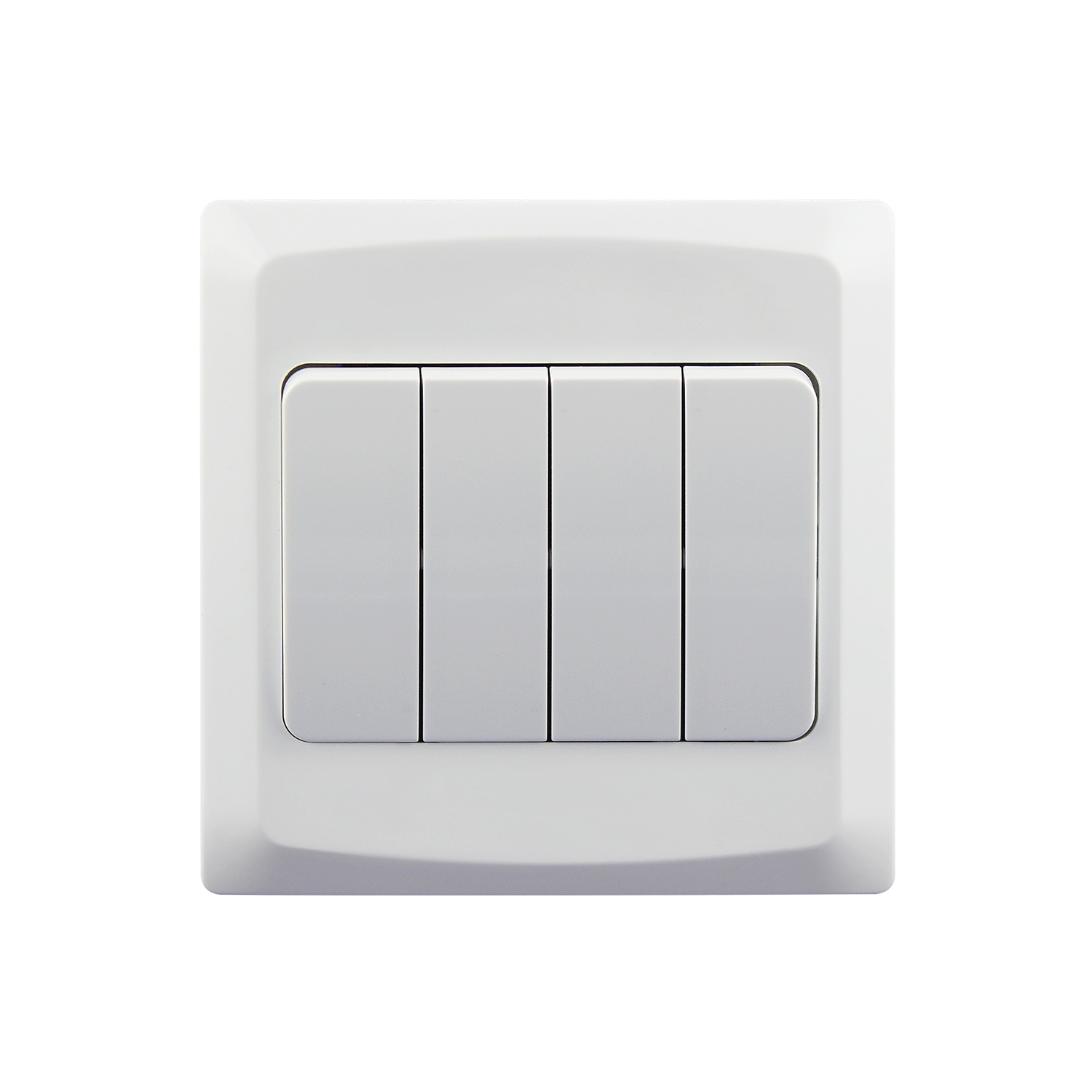
Exterior outlet  covers are essential components designed to protect  outdoor electrical outlets from environmental  elements and enhance safety during usage. For  B2B buyers,  understanding the  specifications, material selections, and sourcing options for  exterior  outlet covers is crucial. This article aims to  equip  purchasing  managers,  engineers, and distributors with  practical  knowledge to make  informed decisions  when selecting  these products,  focusing on specifications, sourcing, and  best  practices.
Our Products

How to Choose the Right Exterior Outlet Covers for Your Projects

How to Choose the Right Exterior Outlet Covers for Your Projects

Selecting the right exterior outlet covers involves understanding the  specific  needs of your project. Start by assessing the environment where the outlet will be installed. For coastal areas, corrosion-resistant materials such  as stainless steel may be necessary, while urban settings  may benefit from UV-resistant  plastics  to  prevent degradation.

Next, consider the  application—whether it's for residential or commercial use—as this will influence the choice of design and features. For  commercial settings,  look  for covers  with safety locks or  tamper-resistant designs to prevent  unauthorized access.

Another critical factor is the installation process.  Ensure the covers are compatible with existing electrical  systems and that any necessary mounting hardware is included. Finally, it’s advisable to  request samples for evaluation.  This  allows you to assess the fit, finish, and overall quality before committing to bulk orders.
Where to Source Reliable Exterior Outlet Covers for Bulk Orders

Where to Source Reliable Exterior Outlet Covers for Bulk Orders

Sourcing  reliable exterior outlet covers for bulk  orders can be streamlined by focusing on established manufacturers. Look for  suppliers with a robust reputation in the industry, such as Zhejiang TAOS  Electric Co., Ltd., known  for its precision manufacturing and extensive product range.

When evaluating potential suppliers, consider their production capabilities, including  their ability to meet  specific order quantities and lead times.  Request information about their  quality control processes to ensure that  the  products meet the necessary standards. Engaging with suppliers who offer customization options can also  be  beneficial, allowing you to tailor the outlet  covers to your project  specifications.

Additionally, participating in industry trade shows  or  exhibitions can provide firsthand insights into product offerings and  allow you  to establish relationships with manufacturers. This can also facilitate discussions around pricing, minimum order quantities (MOQs), and shipping  logistics.

Best Practices

Best Practices

To ensure  a successful purchase of exterior outlet covers,  follow these best practices:

Define Your  Requirements: Clearly outline the specifications needed for your project, including dimensions, materials,  and any special features.

Request Samples: Before placing a  bulk order,  obtain samples to evaluate the quality and fit of the outlet covers. Inspect them for any manufacturing defects.

Verify Supplier Credentials: Ensure your chosen supplier has the necessary  certifications and a track record of  reliability. This helps mitigate  risks associated with product quality.

Discuss Packaging and  Delivery: Confirm how the products  will be packaged  to prevent  damage during shipping. Understand  the delivery timelines to avoid project  delays.

Check for Warranty and Support: Inquire about warranty  provisions and  post-purchase  support  to address any  potential issues after installation.

By adhering to these best practices, buyers can enhance their purchasing experience and ensure they receive high-quality products that meet their needs.

Comparing Material Advantages of Different Exterior Outlet Covers

The material used for exterior outlet covers significantly  impacts durability, performance, and cost. Here’s a  comparison of common materials used in manufacturing these covers:

Polycarbonate: Known for its  high impact resistance and lightweight nature, polycarbonate covers are ideal for severe weather conditions. They are also UV  stabilized, preventing discoloration and degradation over time.

Stainless Steel: This  material offers superior corrosion resistance, making it suitable for coastal environments. Stainless steel covers tend to be more  durable and provide a sleek, professional appearance.

Thermoplastic: Often used for standard applications, thermoplastic covers are cost-effective and provide  decent resistance to impacts and environmental conditions. However, they may not be as durable as metal options.

Aluminum: Lightweight and resistant to  corrosion, aluminum covers are a good choice  for moderate conditions. They can  be treated for additional weather resistance.

When selecting a material, consider the specific environmental  factors the outlet covers will face. For example, if the covers will be exposed to saltwater, stainless steel may be the best choice, while polycarbonate  might be preferred for  areas prone to impacts.

In summary, understanding the  specifications,  materials,  and sourcing options for exterior  outlet covers enables B2B buyers to make informed  decisions  that align with their  project requirements. By focusing on these aspects, purchasing managers and engineers can secure high-quality products that enhance safety and functionality in their applications.

Understanding the Specifications of Exterior Outlet Covers for Wholesale Buyers

When evaluating exterior outlet covers, it's  important to consider  several key  specifications that  impact functionality and safety. Firstly, the ingress protection (IP) rating is vital; it indicates the cover's ability to resist  dust and moisture. A higher IP rating, such as IP66 or IP67, means better  protection against water and debris, making it suitable for harsh outdoor conditions.

Additionally, material composition  plays a significant role in durability. Covers made from high-impact plastics or weather-resistant metals are preferred for their resilience and longevity. The thickness of the cover should also be assessed, as it affects strength and protection. Furthermore, the dimensions must align with  the outlet size to ensure a  secure fit and proper sealing. For optimal safety and functionality, consider integrating a Smart Sensor to monitor environmental conditions around the outlet covers.

Buyers should also  check for  compliance with  relevant safety standards, such as  those set by  the British Standards Institution (BSI), to ensure  the products meet required safety  regulations. By focusing on  these specifications, wholesale buyers  can ensure they are selecting high-quality and reliable  exterior outlet covers.

Get a Free Quote

Our representative will contact you soon.
Email
Name
Mobile
Company Name
Message
0/1000

Related product categories

WhatsApp: +86-13626773071
Live Chat

Get a Free Quote

Our representative will contact you soon.
Email
Name
Mobile
Company Name
Message
0/1000