Choosing the Right Junction Box Electrical

All Categories

junction box electrical

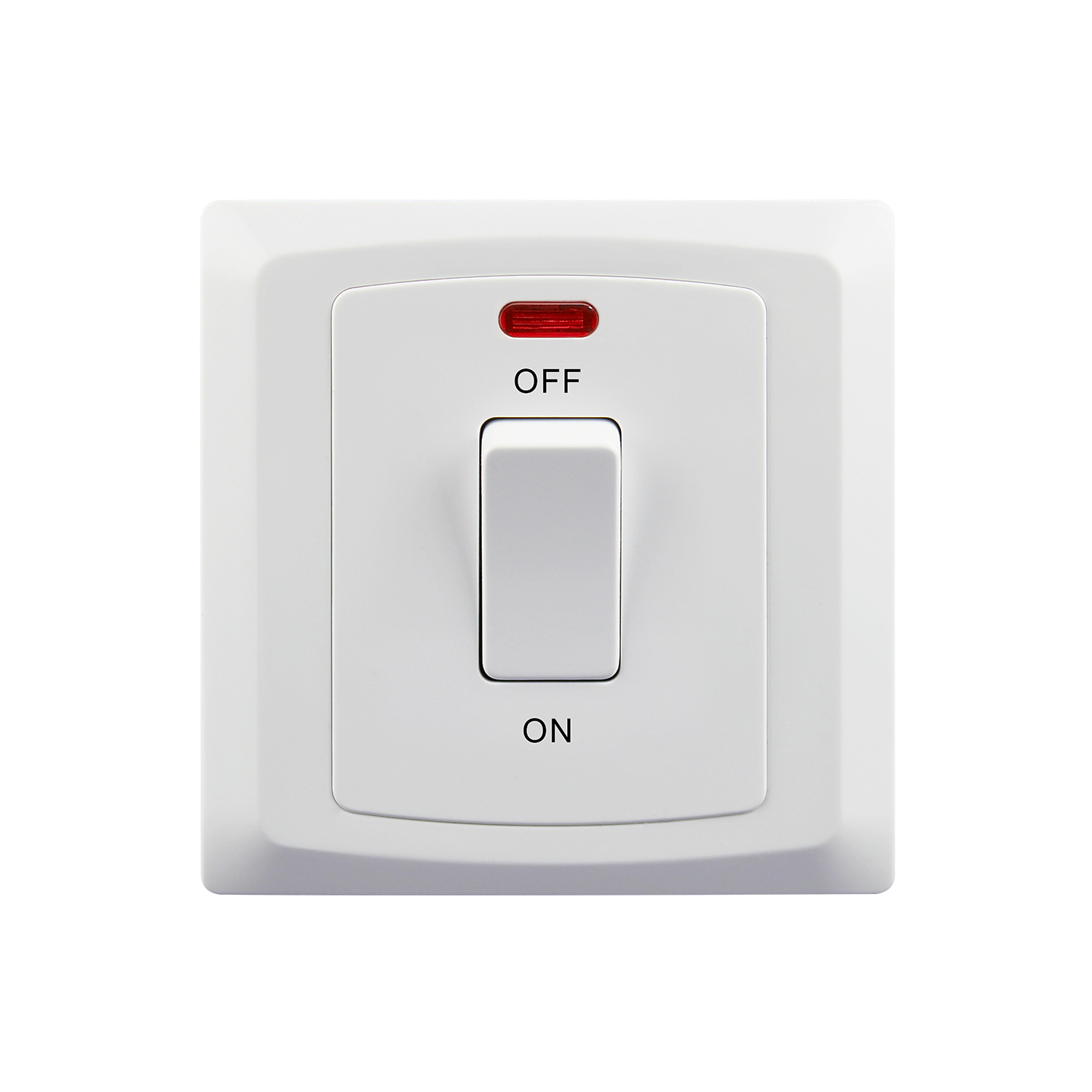
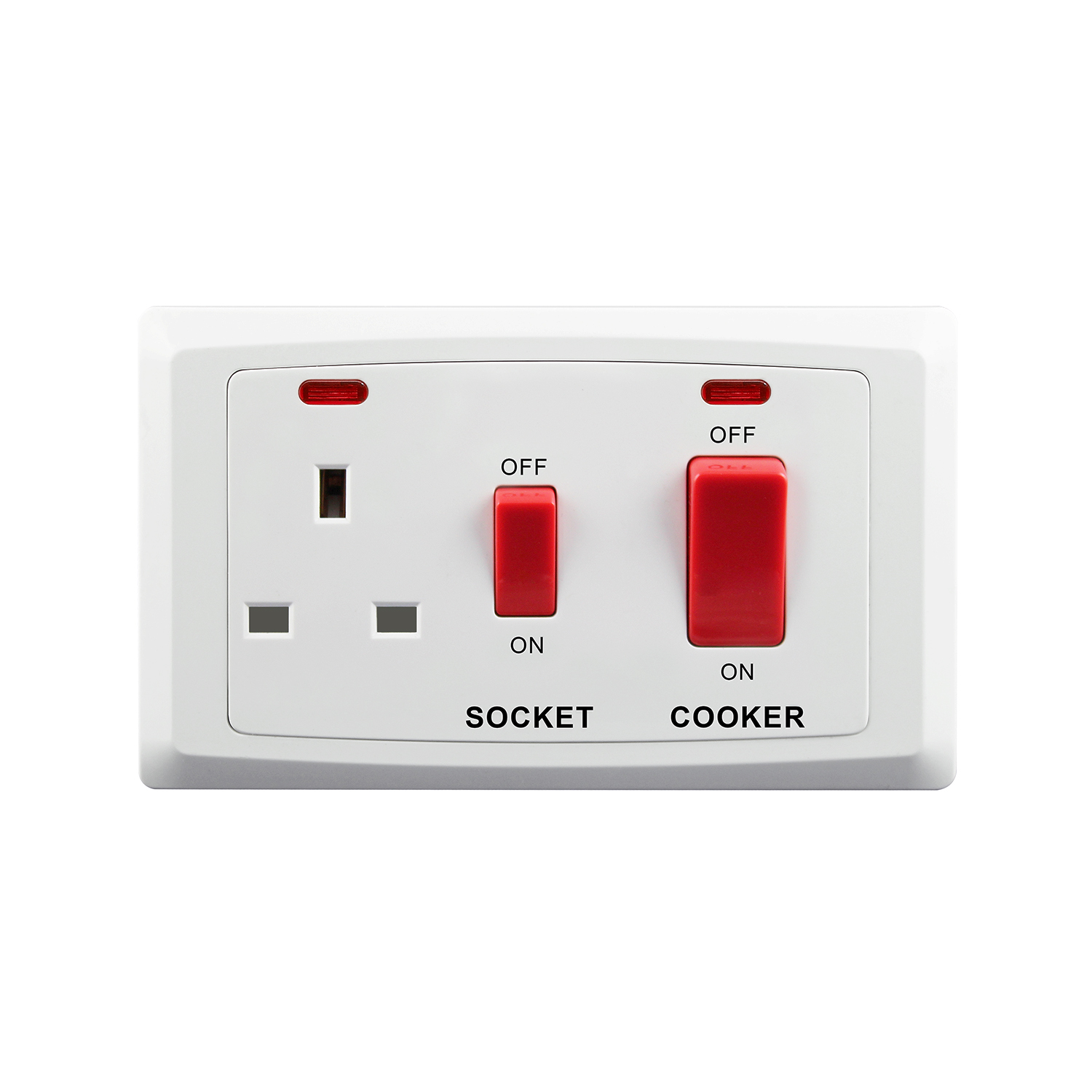
When  it comes to electrical installations, a junction box is a  critical component  used to  protect electrical connections and facilitate safe wiring. The primary  keyword  for this  article  is "junction  box electrical,"  and understanding  its specifications and applications is essential for purchasing managers,  engineers, and  project managers. This article will address key considerations for selecting  the right junction box, sourcing reliable suppliers,  common issues, best practices, and  the various industrial  applications of  junction  boxes.
 

Our Products

Where to Source Reliable Junction Box Electrical Suppliers

Where to Source Reliable Junction Box Electrical Suppliers

Sourcing reliable junction box electrical suppliers is vital for ensuring product quality  and timely delivery. Start by evaluating  manufacturers with a strong reputation in the industry, such as Zhejiang TAOS Electric  Co., Ltd., which specializes in British Standard wiring accessories. Look for  suppliers that have a proven track record in your target  market  and can demonstrate their manufacturing capabilities and quality control processes.


When assessing potential suppliers, consider their  certifications and compliance with  international standards. Request information on their production processes and quality assurance measures, as  these factors significantly  impact the reliability of the junction boxes you purchase.

Engaging with  suppliers at industry trade shows or through professional networks  can also  provide valuable insights  into their  products and services. Don't hesitate  to ask  for references or case studies that showcase their experience with similar applications. This can help establish trust and ensure  that you are making  an informed purchasing decision.
Best Practices

Best Practices

Implementing  best  practices when dealing with junction box electrical products can enhance  safety and efficiency. Start by ensuring proper installation, which includes following the manufacturer's guidelines for wiring and securing the junction box. Use  appropriate connectors and fittings that match the  specifications of the junction box to  prevent loose  connections that could lead to electrical faults.

Regular inspection and maintenance should not be overlooked. Schedule routine checks to ensure that junction boxes remain free from moisture, corrosion,  and physical damage.  This  is  especially critical in harsh environments  where exposure  to  chemicals or extreme temperatures can compromise the integrity of  the junction box.

Additionally, consider documenting all installation and maintenance procedures. This will  help streamline future  inspections and can be invaluable  for compliance with safety regulations. Training your team on these best practices will further enhance the overall safety and reliability  of  electrical installations.

Common Issues with Junction Box Electrical and Effective Solutions

Common Issues with Junction Box Electrical and Effective Solutions

Despite their importance, junction boxes can present several challenges. One common issue is overheating, which can  occur if  the box is overloaded with wires or  if the connections are not secure. To  mitigate  this risk, always  adhere to the  manufacturer's  specifications  regarding wire capacity and ensure that all connections are tight and properly insulated.


Another frequent problem is moisture ingress, particularly in outdoor applications. This can lead to corrosion  and electrical failures. To prevent this, select junction boxes with appropriate sealing mechanisms and consider using waterproof connectors. For existing installations,  inspect sealing and apply weatherproofing measures as necessary.

Lastly,  improper sizing  of junction  boxes can lead to  safety hazards. Ensure that the box is large  enough to accommodate the required  wiring and connections without overcrowding. If  unsure, consult with your supplier for guidance on sizing based on your project’s  needs.

Applications of Junction Box Electrical in Various Industries

Junction boxes are utilized across a wide range of&nbsp; industries, each&nbsp; with unique requirements.&nbsp; In the construction industry, they play&nbsp; a vital role&nbsp; in managing electrical connections in residential and commercial buildings. Their robust construction is essential for ensuring safety and compliance with&nbsp; electrical codes.</p>

In manufacturing, junction boxes are used to protect wiring in&nbsp; machinery and industrial equipment. The&nbsp; choice of material and&nbsp; design often depends on the operating environment, with metal boxes being&nbsp; favored in heavy-duty applications due to their durability.

The telecommunications sector also relies heavily on junction boxes&nbsp; for managing cable connections and providing a secure interface for data transmission. In this application,&nbsp; factors such as electromagnetic interference&nbsp; (EMI) protection and ease of access&nbsp; for&nbsp; maintenance become critical.

In summary, understanding the specific applications and requirements of junction boxes across different industries can aid in selecting the right product. Always consult with manufacturers like Zhejiang&nbsp; TAOS Electric Co., Ltd. to ensure that&nbsp; the selected&nbsp; junction box meets the necessary specifications and quality standards&nbsp; for your&nbsp; intended application.

Choosing the Right Junction Box Electrical for Your Project Needs

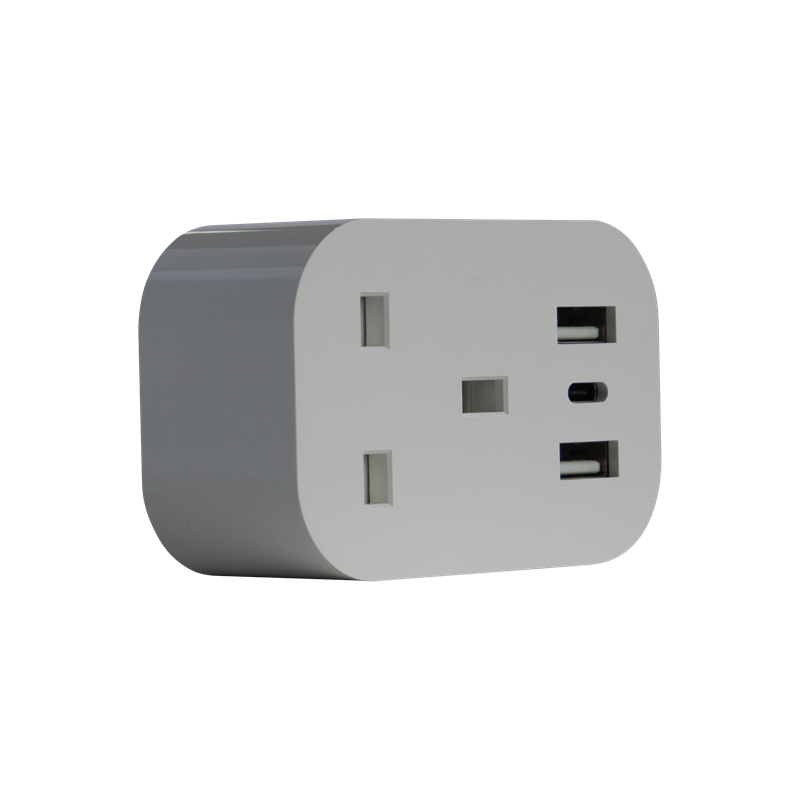
Selecting&nbsp; the appropriate junction box electrical requires careful consideration&nbsp; of several factors. Primarily, you should evaluate the material and construction of&nbsp; the junction box. Common materials include&nbsp; plastic, metal, and fiberglass, each offering different levels of protection against environmental factors such as moisture, dust,&nbsp; and&nbsp; chemicals. For example, metal junction boxes typically&nbsp; provide greater durability and are preferred for outdoor applications, while plastic boxes are lighter&nbsp; and easier&nbsp; to&nbsp; install. Additionally, integrating smart home technologies like a Smart Plug can enhance control over your electrical installations.

Another critical aspect is&nbsp; the size and number&nbsp; of circuits the junction&nbsp; box needs to accommodate. Ensure the box meets the required volume for&nbsp; the wires and connections, as an overcrowded junction box can lead to overheating and potential safety hazards. Additionally, consider&nbsp; the relevant industry standards and certifications, such as those established by&nbsp; the British Standard, which ensure compliance with safety regulations.</p>&nbsp;

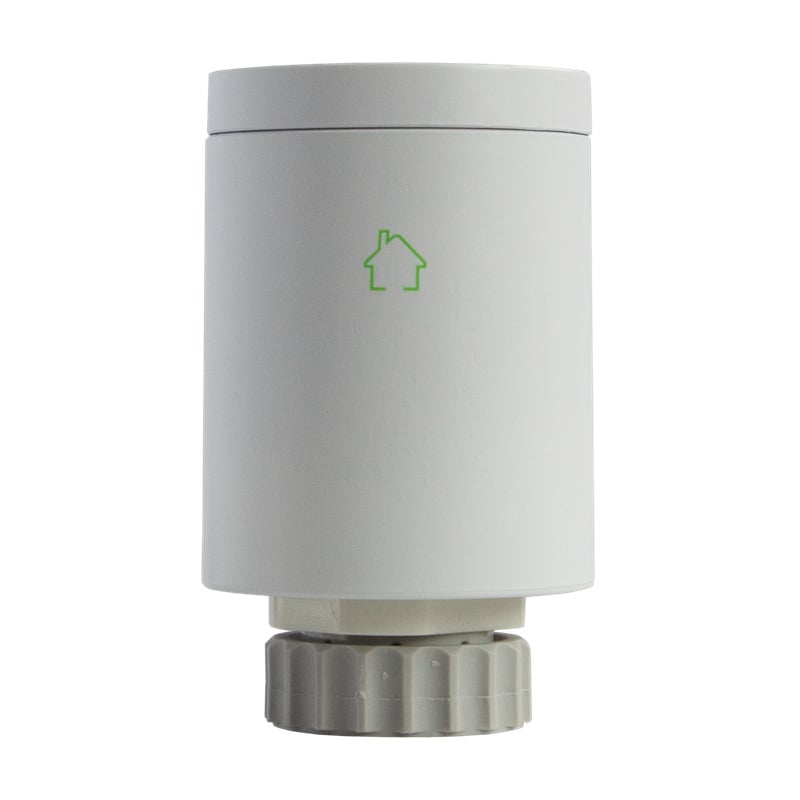
Lastly,&nbsp; assess compatibility with existing electrical&nbsp; systems. Ensure that the junction box can integrate seamlessly with the wiring and devices in your project. If customization&nbsp; is needed, discuss this with suppliers to verify their capabilities. For instance, using a Smart HVAC system may require specific junction box configurations.

Get a Free Quote

Our representative will contact you soon.
Email
Name
Mobile
Company Name
Message
0/1000

Related product categories

WhatsApp: +86-13626773071
Live Chat

Get a Free Quote

Our representative will contact you soon.
Email
Name
Mobile
Company Name
Message
0/1000