
 EN
Understanding how to wire a twin light switch is essential for electricians and contractors in the commercial and industrial sectors. Twin light switches allow for the control of two separate lighting circuits from a single location, making them a practical choice for various applications. This switch for wall article will address common concerns regarding safety, efficiency, and quality when purchasing and installing twin light switches, helping B2B buyers make informed decisions.

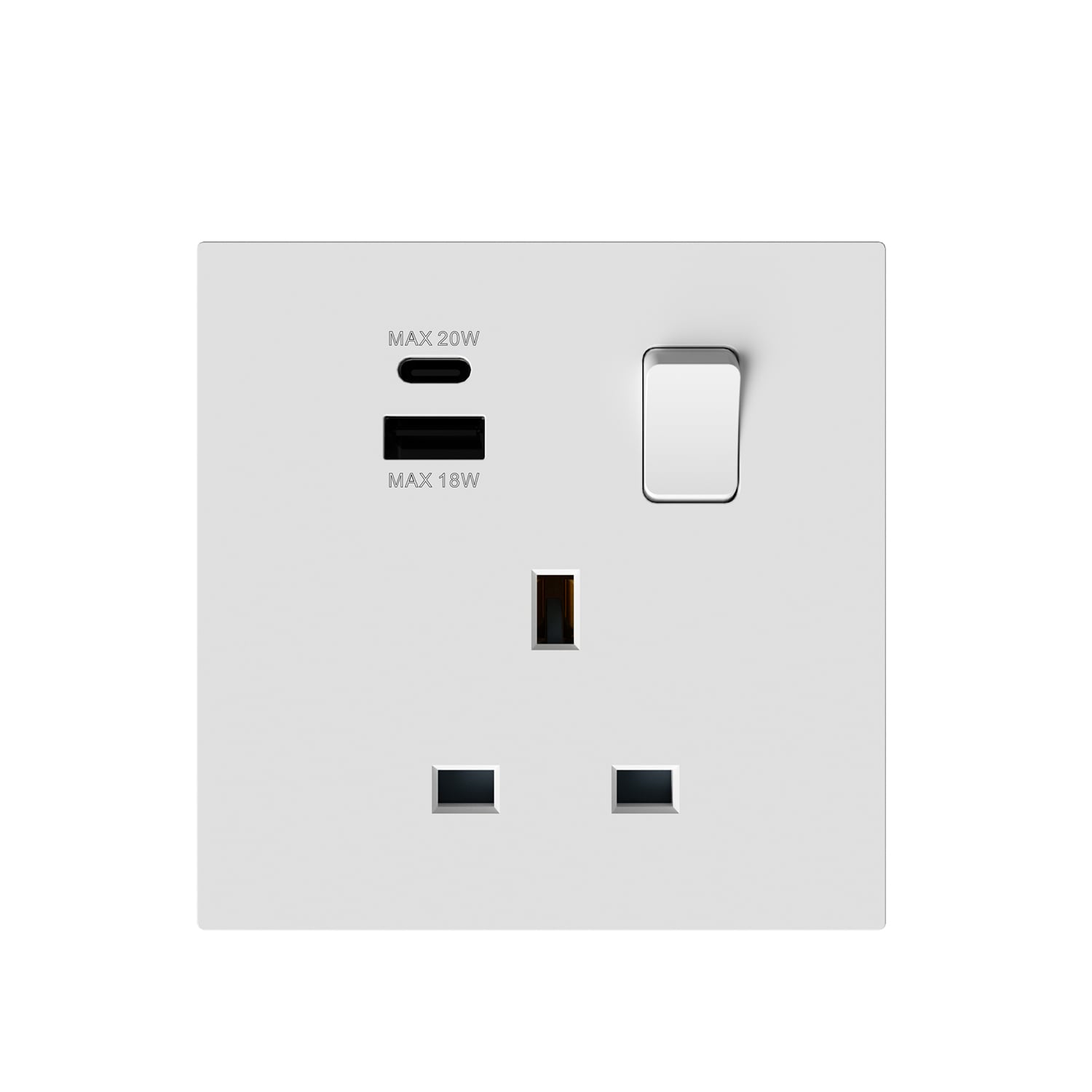
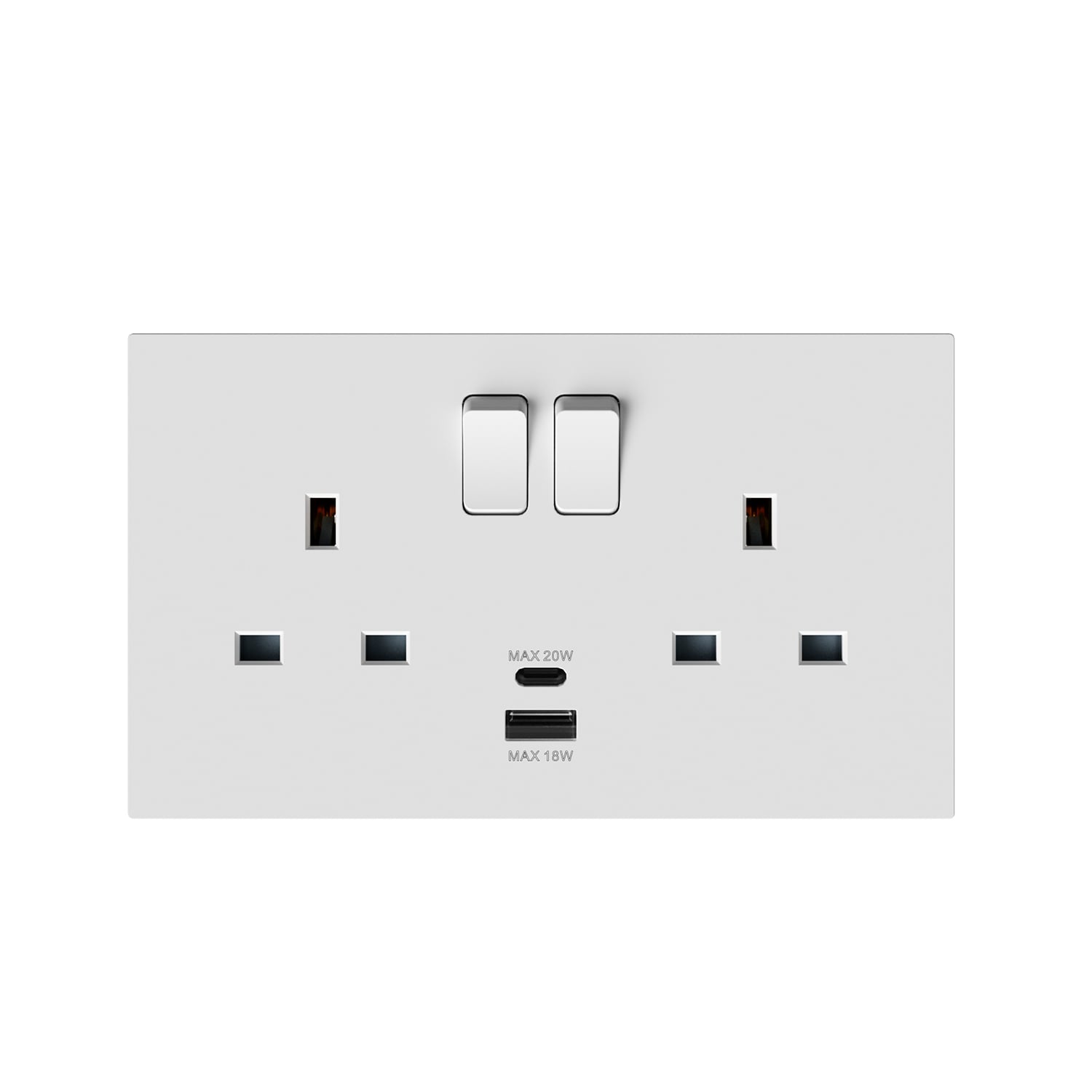
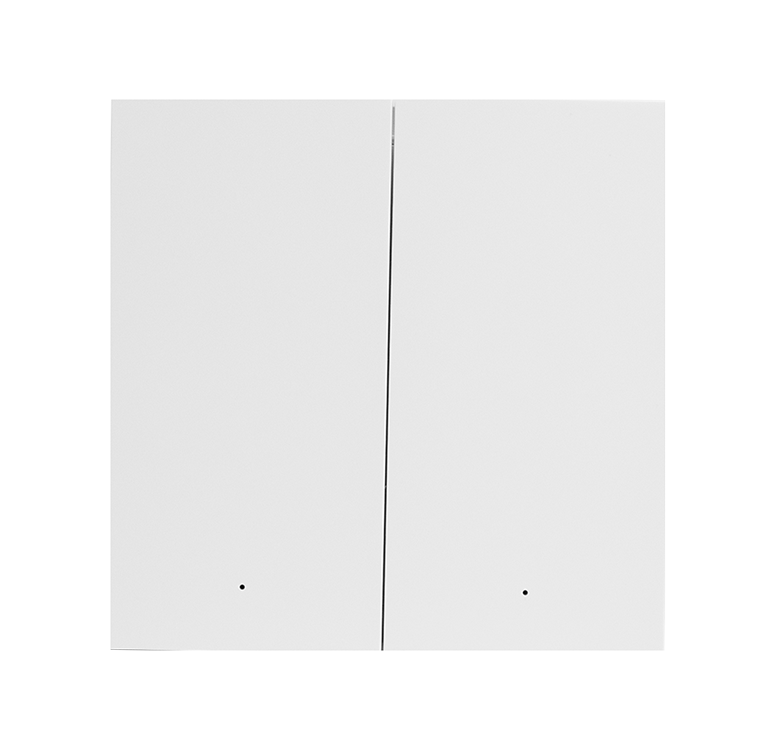

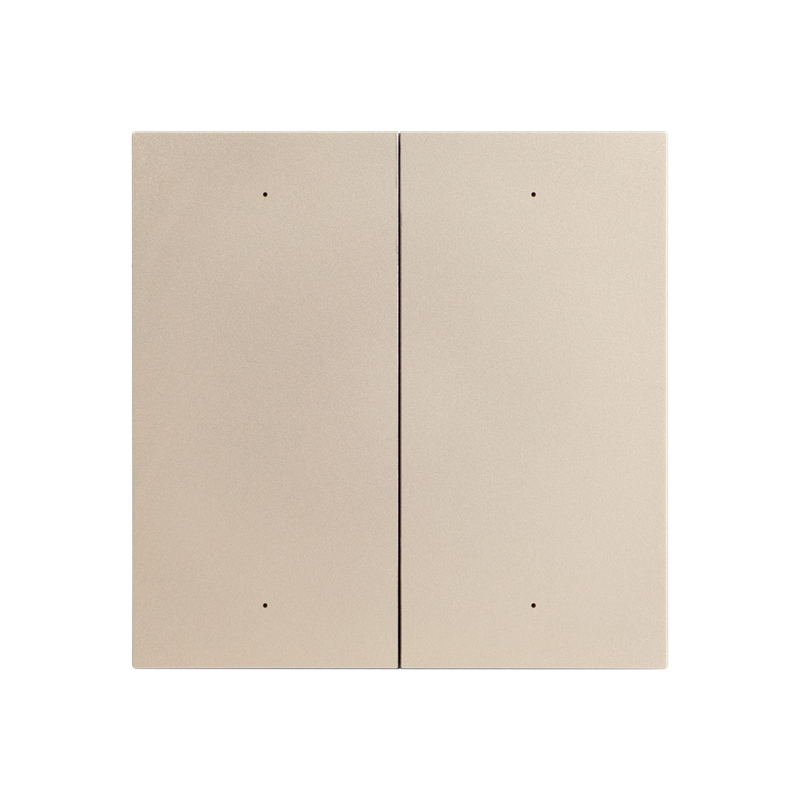
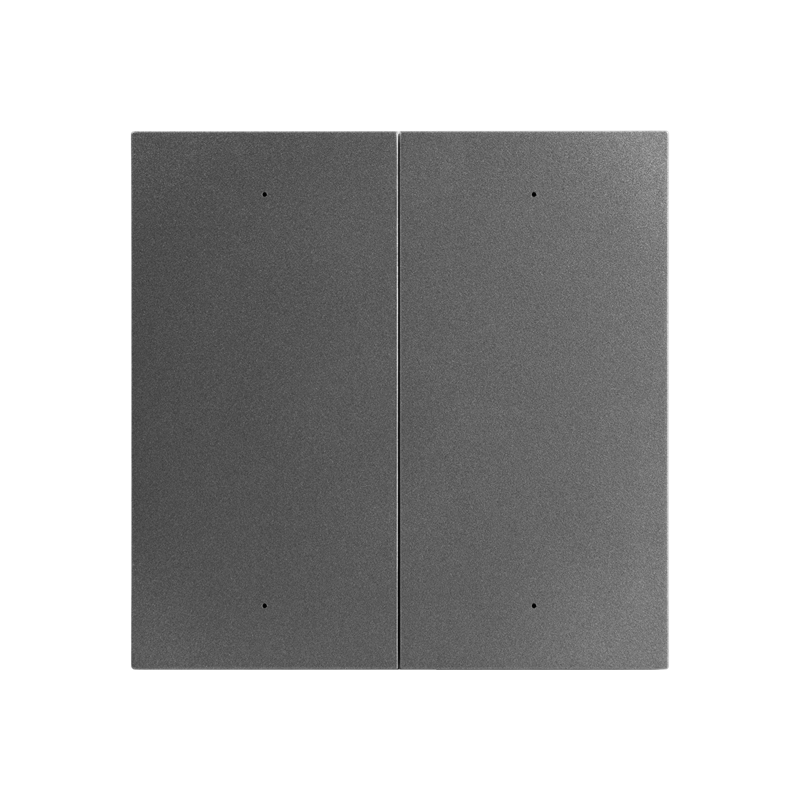
Quality features of twin light switches
Quality features of twin light switches can vary significantly, and understanding these differences is crucial for making an informed purchasing decision. Key specifications to evaluate include:
Material Composition: High-quality switches are generally made from durable materials like polycarbonate or thermoplastic, which resist impact and heat. Poor-quality materials can lead to failures under stress. Electrical Ratings: Ensure the switches meet or exceed the required voltage and current ratings for your applications. This information is crucial to prevent overheating and potential circuit failures. Safety Features: Look for switches with built-in safety mechanisms, such as overload protection and child-proof designs. These features can reduce the risk of electrical hazards and enhance overall user safety. Certification Marks: Products that are certified by recognized standards organizations (like BS, CE, or UL) assure buyers of their quality and compliance with safety regulations.
By comparing these features across different suppliers, businesses can identify the best options for their specific applications.