EN
Wifi wall sockets are innovative electrical devices that enable wireless connectivity for various electronic appliances, allowing for remote control and automation. For B2B buyers, including purchasing managers and engineers, the key concerns revolve around reliability, performance specifications, and compatibility with existing systems. This article aims to provide detailed insights into wifi wall sockets, including supplier reliability, essential specifications, features, installation guidance, and cost factors, equipping you with the information needed to make informed purchasing decisions.
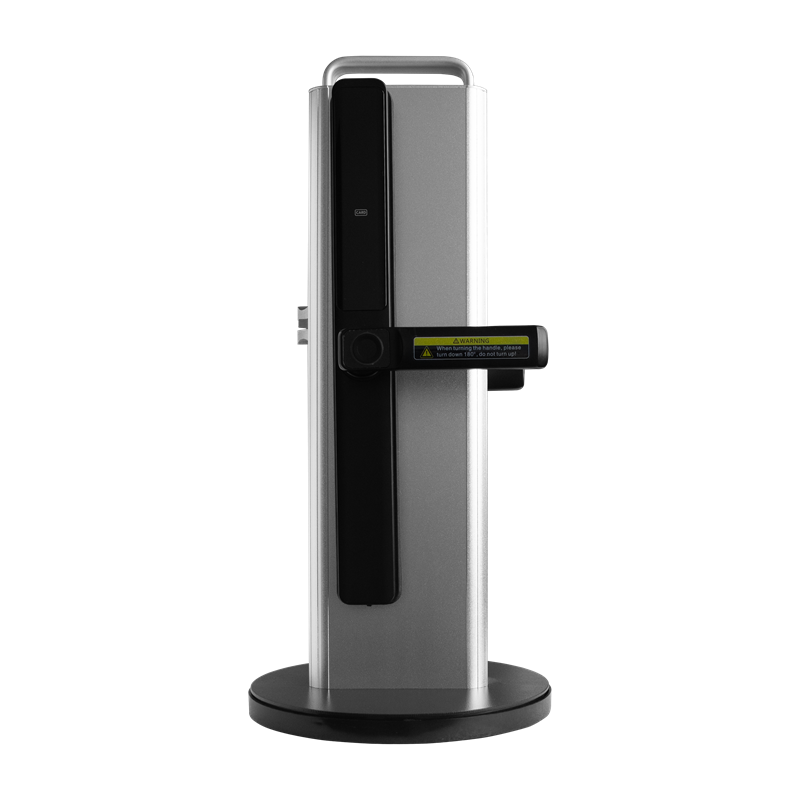
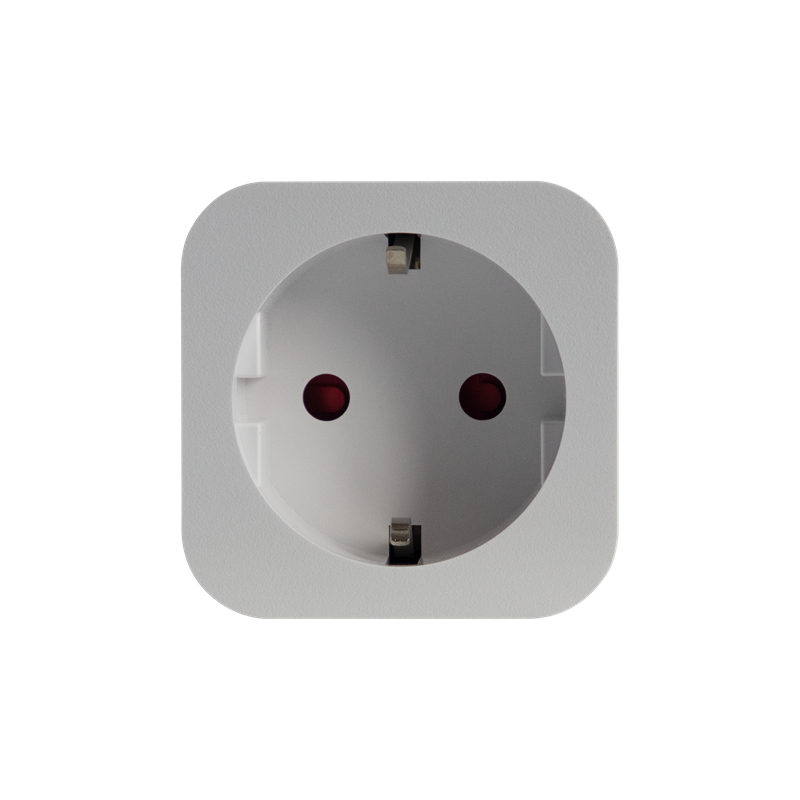
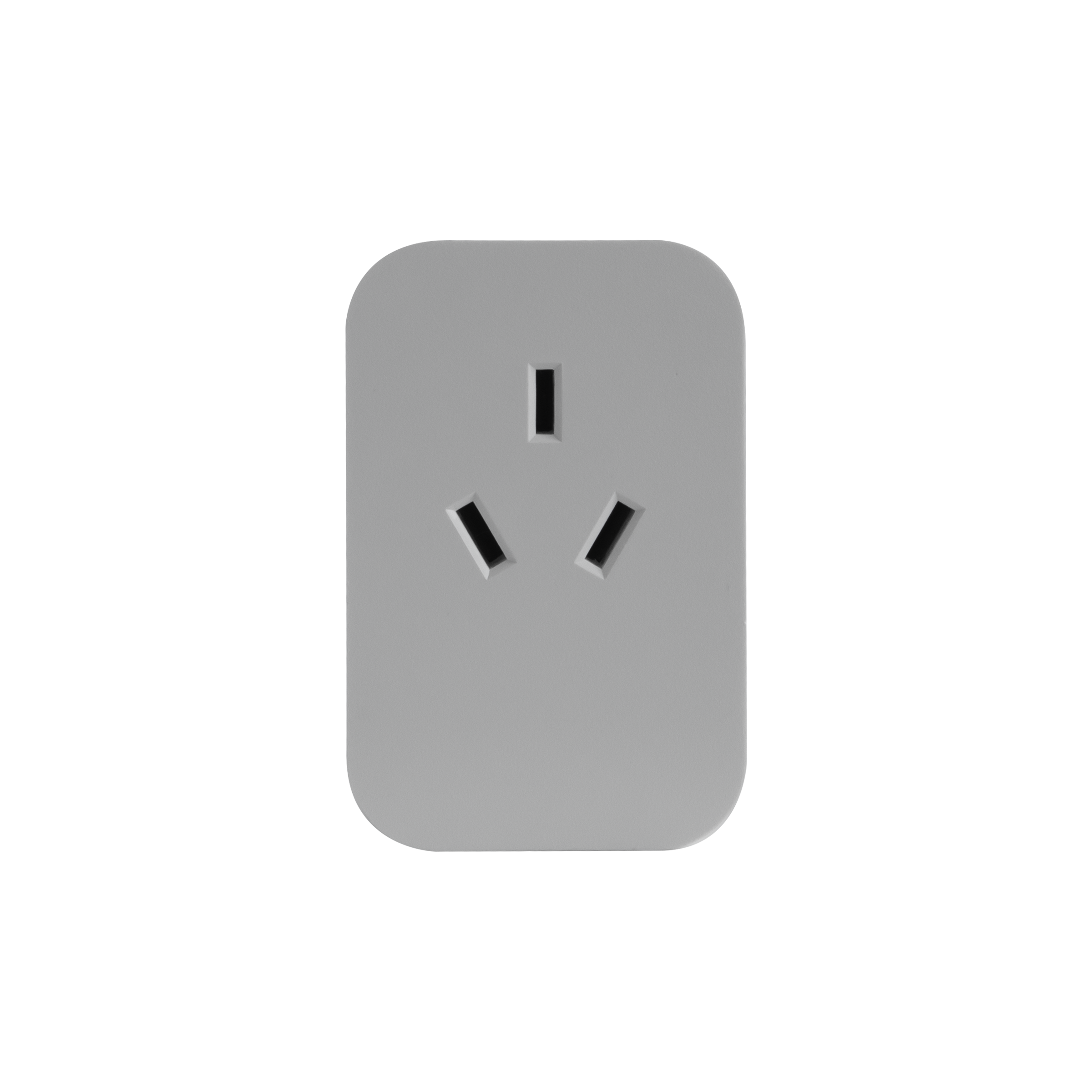
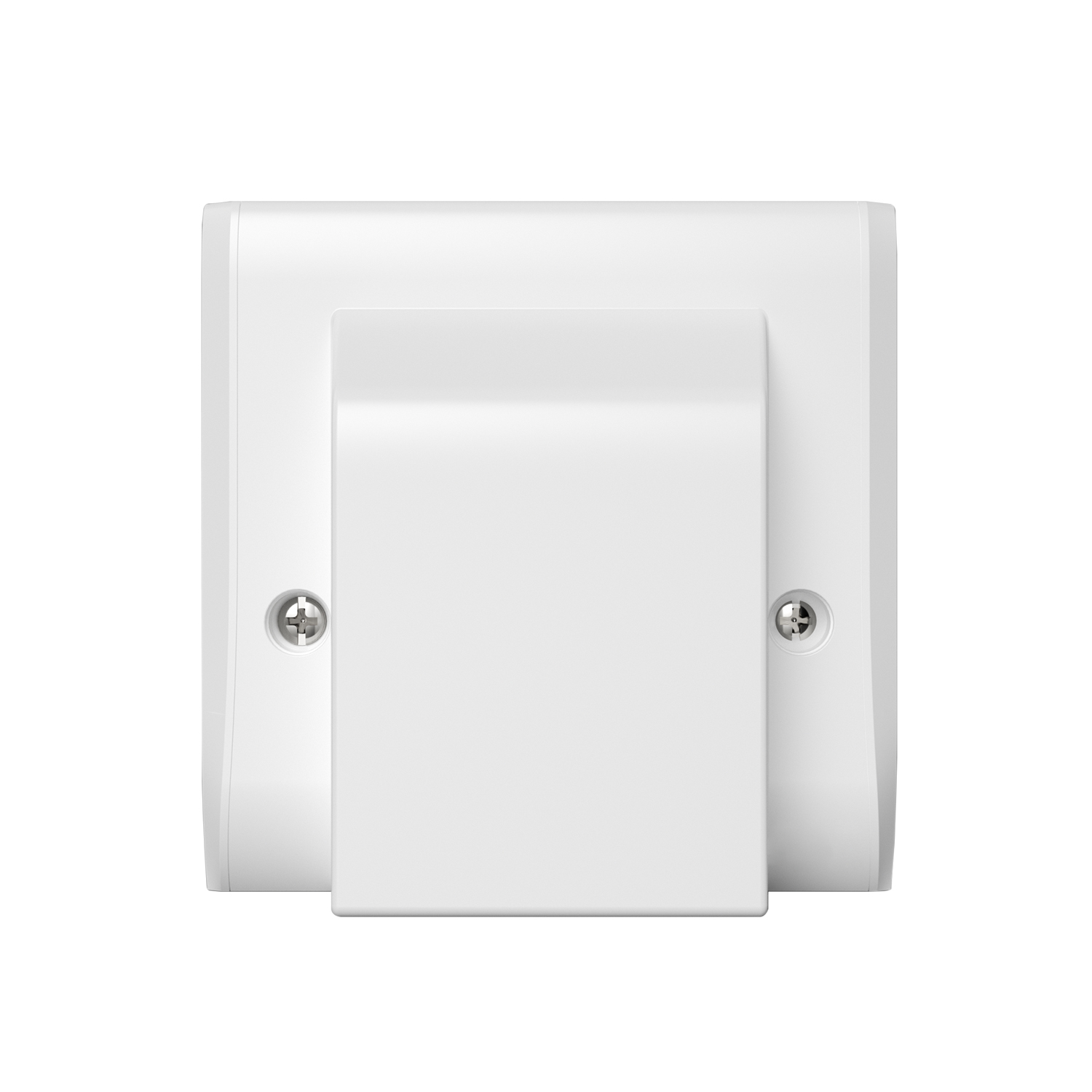
Essential Specifications for High-Quality Wifi Wall Sockets
High-quality wifi wall sockets come with several key specifications that ensure they perform effectively in various environments. Here are some essential specifications to consider:
Voltage Rating: Ensure the wifi wall socket is rated for the voltage used in your region (typically 110-240V). An incorrect voltage rating can lead to malfunctions or safety hazards.
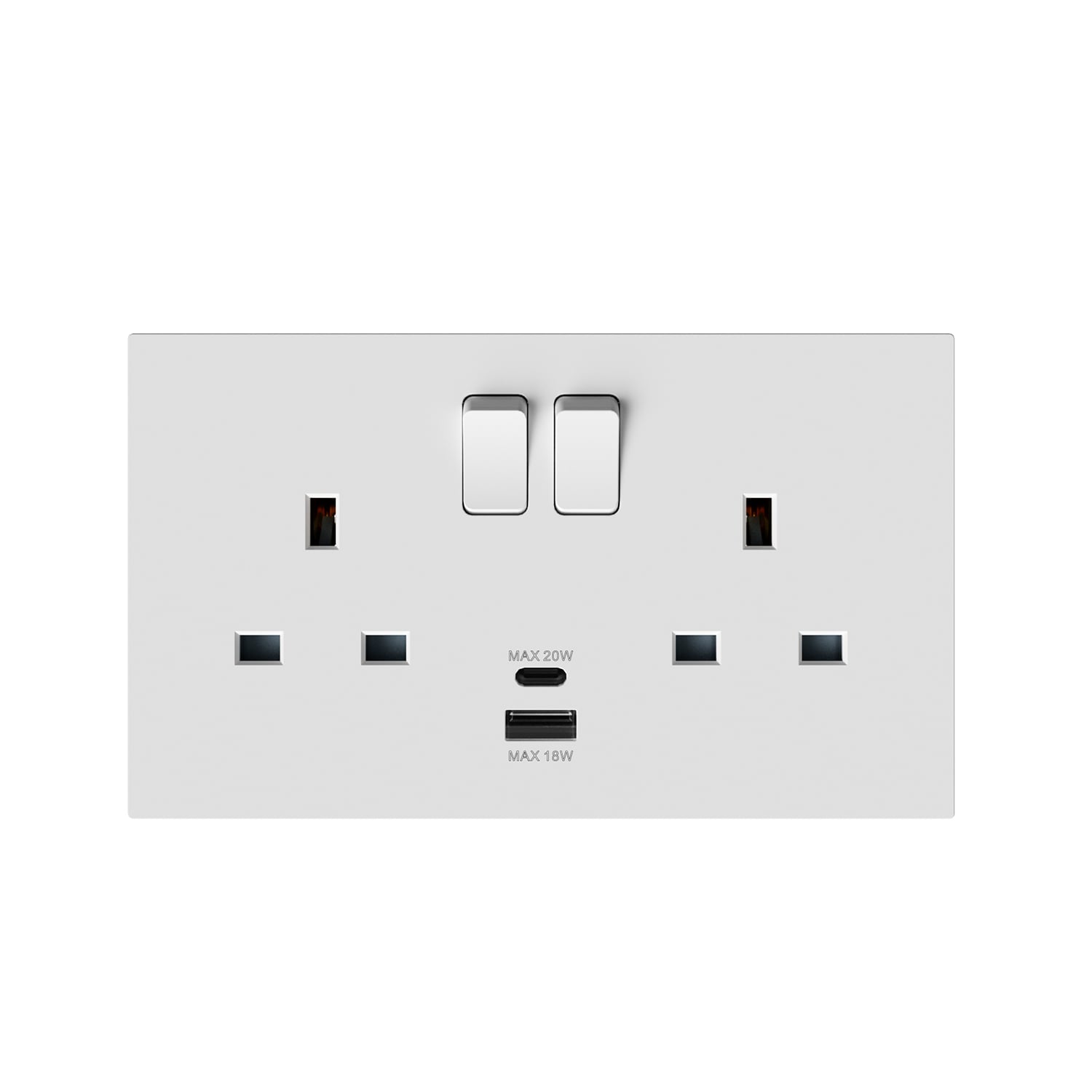
Current Rating: This specification indicates the maximum current the socket can handle safely. A standard rating is often 13A for UK sockets, but this can vary. Choose a socket that meets or exceeds your expected load.
Material: The housing material should be durable and resistant to heat and impact. Materials like thermoplastic or polycarbonate are commonly used for their strength and electrical insulation properties.
WiFi Standards: Look for compatibility with Wi-Fi standards (such as 802.11ac or 802.11n), as these determine the speed and reliability of wireless connections.
Safety Features: Important safety features include surge protection, overload protection, and child safety shutters. These features protect both users and devices connected to the socket.
Understanding these specifications is vital for ensuring that the wifi wall socket meets your operational requirements and safety standards.