EN
Motion sensor light switches represent a significant advancement in lighting technology, offering convenience and energy efficiency for both commercial and residential applications. As a professional buyer, you may have concerns about sourcing reliable products that meet your specific requirements. This article aims to provide a comprehensive understanding of light switches with motion sensors, including sourcing options, technical specifications, installation guidance, and pricing considerations, enabling you to make informed purchasing decisions.

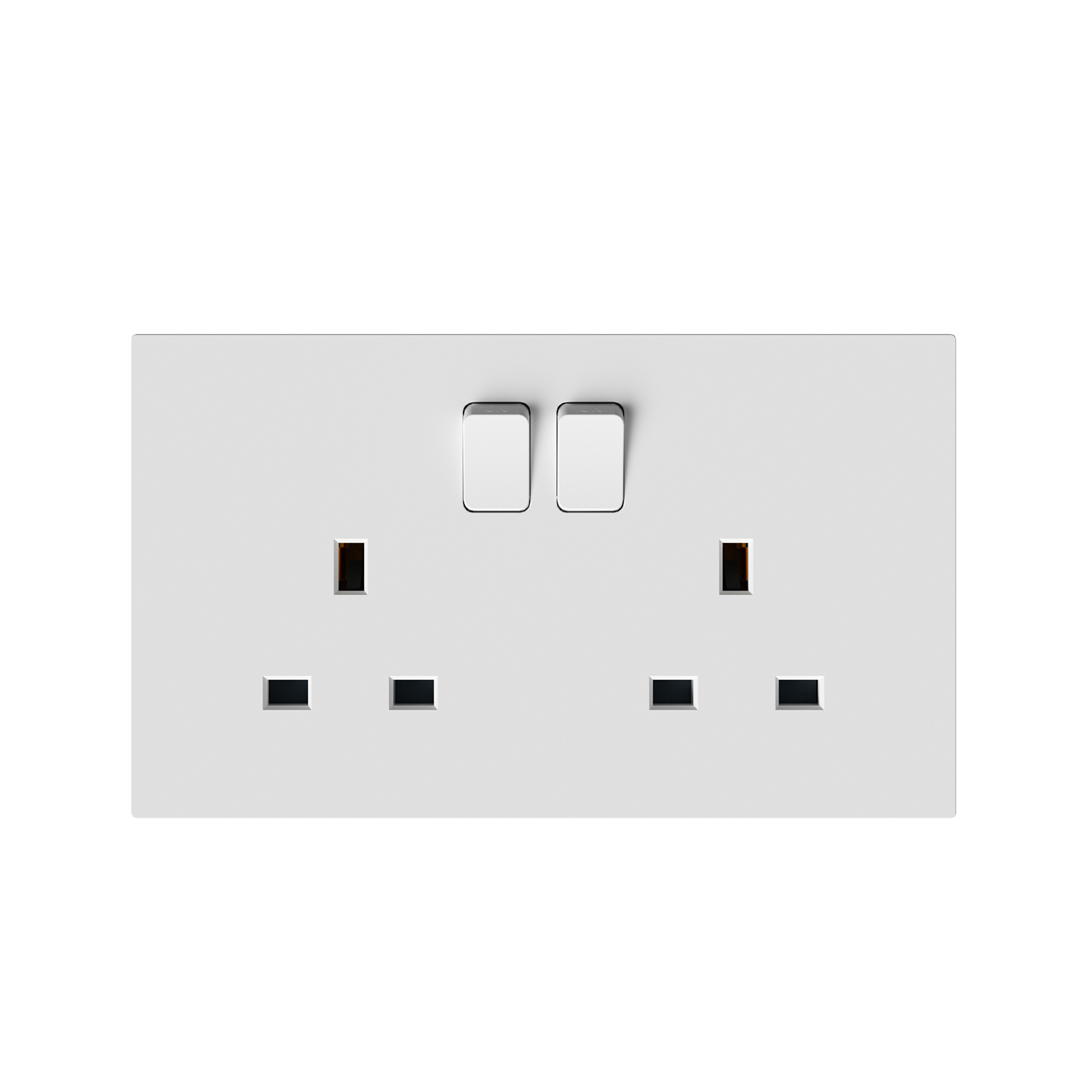
Technical Specifications of Our Motion Sensor Light Switches Explained
Understanding the technical specifications of motion sensor light switches is essential for making informed purchasing decisions. Key specifications to consider include:
Detection Range: This refers to the distance and angle at which the sensor can detect motion. A wider detection range can enhance the effectiveness of the switch in larger areas. Voltage Rating: Ensure the voltage rating of the switches matches the electrical systems in your installations (typically 110V or 230V). Current Rating: This is important for ensuring the switch can handle the load of the connected lighting fixtures. Sensor Type: Passive Infrared (PIR) sensors are common and detect motion based on heat emitted by moving objects, while ultrasonic sensors use sound waves. Time Delay Settings: Some switches allow you to set how long the light stays on after detecting motion, which can vary from a few seconds to several minutes. Sensitivity Adjustment: This feature enables customization of the sensitivity of the sensor, helping to prevent false triggers from pets or small movements.By evaluating these specifications, buyers can select the right motion sensor light switch that meets both operational needs and energy efficiency goals.